San Diego Tickets

San Diego Zoo visitor guide

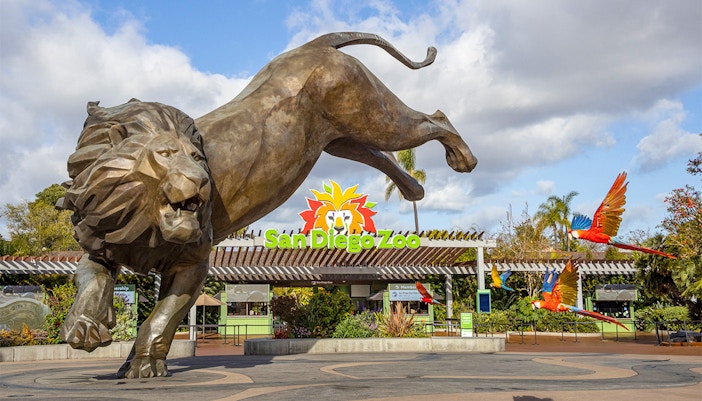
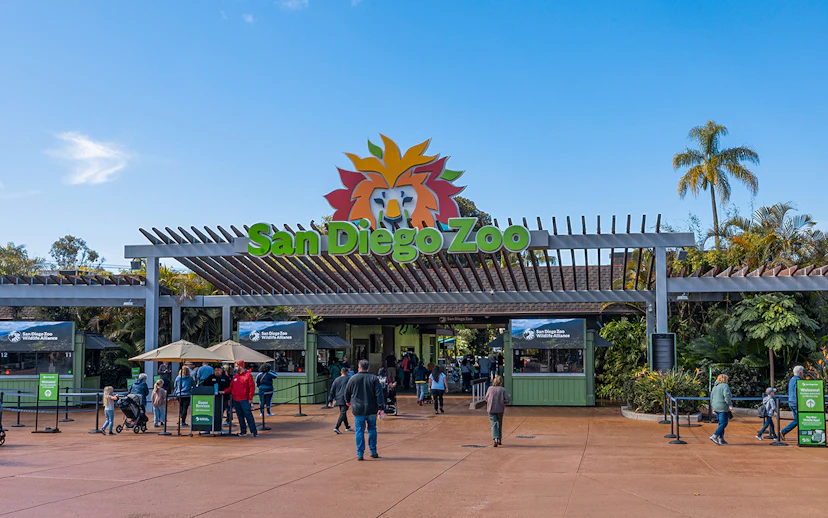
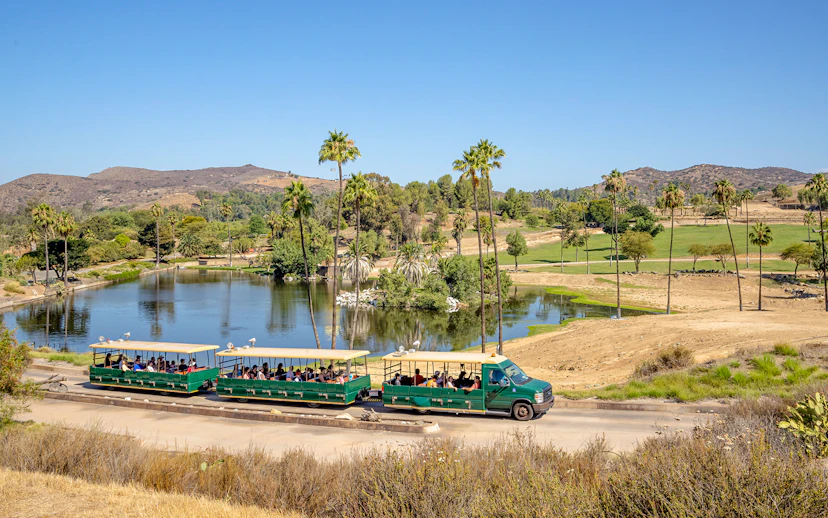
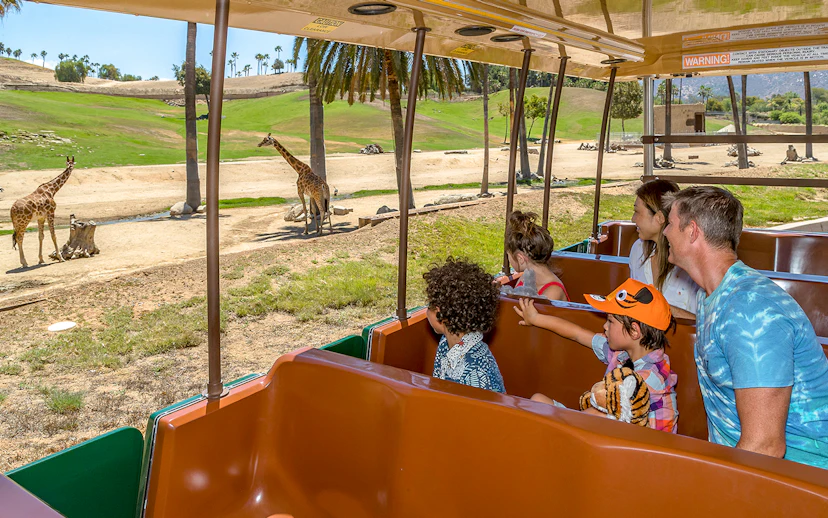
San Diego Zoo is a 100-acre urban zoo in Balboa Park best known for its huge animal collection, lush landscaping, and built-in transport like the Guided Bus Tour and Skyfari. It feels bigger and hillier than many first-time visitors expect, so the difference between a relaxed day and an exhausting one usually comes down to route planning. Start with transport, not walking, and the zoo becomes much easier to cover well. This guide helps you plan arrival, timing, tickets, and what to prioritize.

Quick overview: San Diego Zoo at a glance

If you want the short version before you book, start here.

  • When to visit: The zoo is open daily, and weekday mornings in January, February, September, and November are noticeably calmer than summer weekends because local school breaks and peak tourism are lighter then.
  • Getting in: Opt for the standard entry or a 2-Visit Pass that gives you two visits across the San Diego Zoo and/or Safari Park, and booking ahead helps most during summer, school breaks, and October's family-heavy promo period.
  • How long to allow: 4–5 hours works for most visitors, and it stretches to a full day if you add keeper talks, the bus tour, Skyfari, Basecamp, and long stops at major habitats.
  • What most people miss: The aviaries, the Lost Forest trails, and the underwater hippo and polar bear views are the spots many visitors rush past while chasing the biggest animals.
  • Is a guide worth it? For most visitors, nol the included Guided Bus Tour plus a good zoo map covers the basics well, but a paid behind-the-scenes tour is worth it if you want animal care access or a more focused visit.

Jump to what you need

Where and when to go

How much time do you need

Visit typeRouteDurationWalking distanceWhat you get

Highlights only

Front entrance → Guided Bus Tour → Skyfari to the back → koalas → polar bears → elephants → exit

3–4 hrs

~3 km

You cover the signature transport and marquee animals efficiently, but you will skip slower zones like the aviaries, Lost Forest, and many smaller houses.

Balanced visit

Front entrance → Guided Bus Tour → Skyfari → Australian Outback → Africa Rocks → Polar Bear Plunge → Elephant Odyssey → Lost Forest → exit

4–5 hrs

~5 km

This is the sweet spot for most visitors because you get the headline habitats plus one deeper trail section without turning the day into an endurance test.

Full exploration

Full park loop with bus, tram, Basecamp, keeper talks, aviaries, reptile house, and major habitats

6+ hrs

~7 km

You see the zoo properly, including the smaller exhibits that many people skip, but the hills and distance add up by late afternoon.

Which San Diego Zoo ticket is best for you

Ticket typeWhat's includedBest forTickets

San Diego Zoo Tickets

Entry to the San Diego Zoo + Kangaroo Express bus tour + Guided Bus Tour + Skyfari Aerial Tram + access to all shows and exhibits

A full zoo day where you want the core experience without adding a second park or city attractions

Book now

San Diego Zoo & Safari Park 2-Visit Pass

1-day admission to San Diego Zoo and 1-day admission to San Diego Zoo Safari Park, or 2-day admission to either park + zoo transport and shows + Safari Park Africa Tram and exhibits

A longer San Diego stay where you do not want to choose between the city zoo and the larger safari-style park

Book now

Inside Look Tour

1.5-hour semi-private guided tour by cart and on foot + selected wildlife habitats + special wildlife encounter

Visitors who want a guided, premium overview of the Zoo with closer wildlife access

Book now

Animals in Action Tour

1-hour interactive experience + access to exclusive areas + close-up encounters with a variety of wildlife + time with Wildlife Behavior Specialists

Families and wildlife enthusiasts aged 5+ who want a more interactive experience beyond standard animal viewing

Book now

How do you get around San Diego Zoo

San Diego Zoo works best as a zone-based park rather than a simple loop, and most visitors need 3–4 hours for highlights or 6+ hours for a thorough day. The smartest crowd-flow move here is to use the Guided Bus Tour early, then ride Skyfari and work your way downhill or across the park instead of burning energy on backtracking.

Which animals and habitats should you prioritize
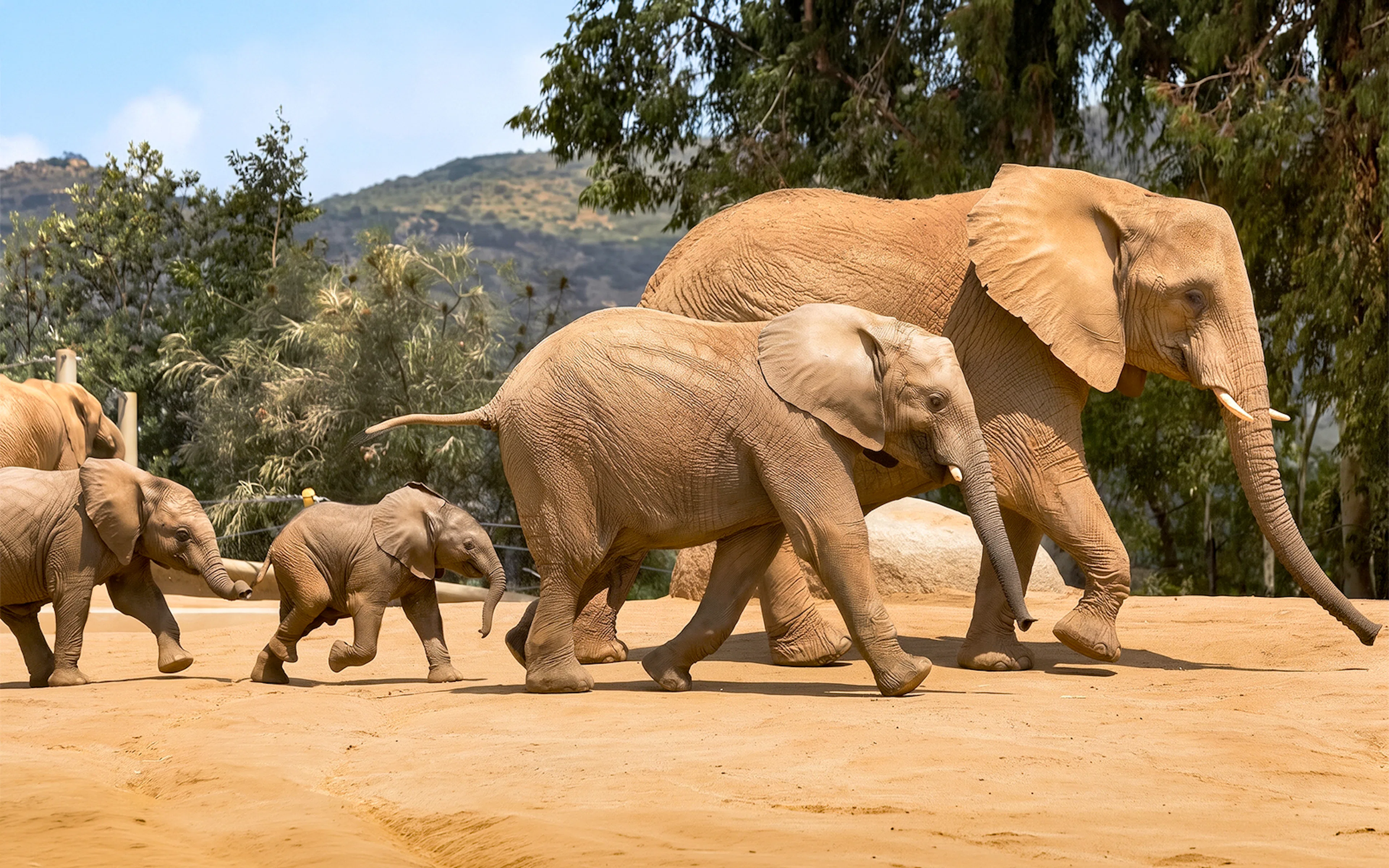
Elephants walking in a line at San Diego Zoo Safari Park.
1/6

Elephant Odyssey

Species: Large mixed-species habitat and elephant zone

This is one of the zoo's biggest signature areas, built around African elephants in a broad habitat with a watering hole, enrichment features, and strong conservation storytelling. What most visitors miss is that the exhibit also ties present-day wildlife to prehistoric Southern California, so the statues and fossil references are part of the experience, not just decoration.

Where to find it: On the western side of the zoo in the Elephant Odyssey area.

Africa Rocks

Species: Baboons, lemurs, penguins, and other African species

Africa Rocks packs several ecosystems into one high-energy zone, so it is one of the best places to slow down instead of rushing through. Most visitors remember the baboons and penguins, but the smaller habitat transitions and underwater views are what make it feel especially well-designed.

Where to find it: Near the front half of the zoo, between the entrance-side habitats and the central trails.

Polar Bear Plunge

Species: Polar bear

This is one of the zoo's most memorable habitats because you get both above-water and underwater views of the bears. The detail many people miss is the underwater window - if the bear is active, this is one of the strongest viewing spots in the whole zoo, especially during feeding or enrichment periods.

Where to find it: In Northern Frontier.

Australian Outback

Species: Koalas, kangaroos, wallabies, and other Australian animals

San Diego Zoo is especially well known for its koalas, and this is the area many first-time visitors most want to see. What people often rush past is the open feel of the rest of the zone - do not stop at the first koala platform and leave, because the walkthrough and neighboring species make this one of the most distinctive sections in the zoo.

Where to find it: In the Outback area near the upper/front side of the zoo.

Lost Forest

Species: Gorillas, orangutans, hippos, birds, and tropical species

Lost Forest is one of the zoo's richest walking areas, with layered trails, dense planting, and several of its best primate and bird habitats. Many visitors underestimate it because it feels less like a single headline exhibit, but the underwater hippo viewing and the aviaries are two of the most rewarding stops in the park.

Where to find it: In the central-to-lower rainforest trails of the zoo.

Wildlife Explorers Basecamp

Species: Smaller reptiles, insects, amphibians, meerkats, and family-focused habitats

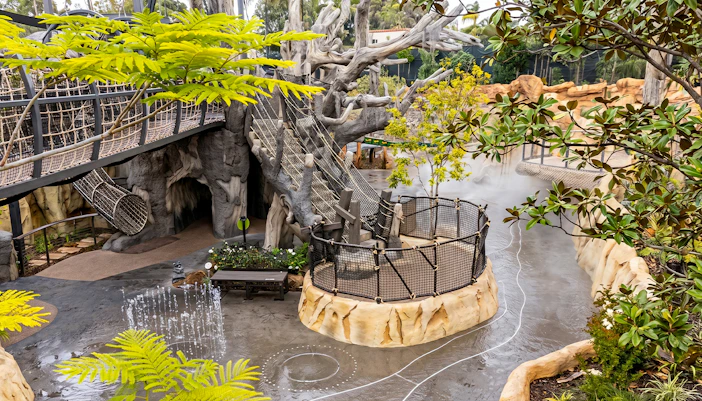
This newer zone is not just for small children - it is one of the most interactive parts of the zoo and breaks up a long animal-viewing day well. The part adults often skip too quickly is the smaller-species focus, which adds a lot if you are interested in animal behavior rather than only chasing the biggest mammals.

Where to find it: In the family-focused Basecamp zone inside the zoo.

Facilities and accessibility

  • 🎒 Stroller and wheelchair rentals: Rentals are available near the entrance, which helps a lot because the zoo is larger and hillier than it first looks.
  • 🚻 Restrooms: Restrooms are spread across the zoo, and visitors consistently rate the facilities as clean and easy to find on the main paths.
  • 🍽️ Dining and picnic areas: There are multiple food outlets and picnic spots across the park, and outside food is allowed if you would rather keep costs down.
  • 💧 Water refill stations: Free water refill points are available, so bringing a refillable bottle makes more sense than buying drinks every time you stop.
  • 🪑 Seating and rest areas: Benches, shaded paths, and terrace-style break spots are built into the route, especially near larger habitats and dining zones.
  • 🅿️ Parking: On-site parking is available beside the entrance and costs $16 per vehicle for non-members, with overflow parking used on busier days.
  • 🩺 Guest comfort support: The Guided Bus Tour, Kangaroo Express shuttle, and Skyfari are included with entry and double as practical rest breaks during the day.
  • ♿ Mobility: The zoo is wheelchair accessible, paved routes cover the main visitor areas, and accessible routes are marked because some sections are steep.
  • ♿ Terrain: Expect hills in several sections, especially around larger loop areas, so the included shuttle and Skyfari are useful even if you normally walk comfortably.
  • ♿ Mobility rentals: Wheelchairs, strollers, and ECV-style mobility rentals are available near the entrance for visitors who need extra support.
  • 👁️ Guide dogs: Guide dogs are welcome, which makes the zoo easier to navigate for visitors traveling with service support animals.
  • 👁️ Maps and wayfinding: Printed maps help more than usual here because the zoo has layered paths, elevation changes, and several routes between major habitats.
  • 🧠 Low-crowd planning: If you want the calmest visit, weekday mornings in January, February, September, and November are the easiest sensory window.
  • 👨‍👩‍👧 Families and strollers: The main visitor routes are stroller-friendly, and family transport options make it easier to cover more of the zoo without carrying tired children.

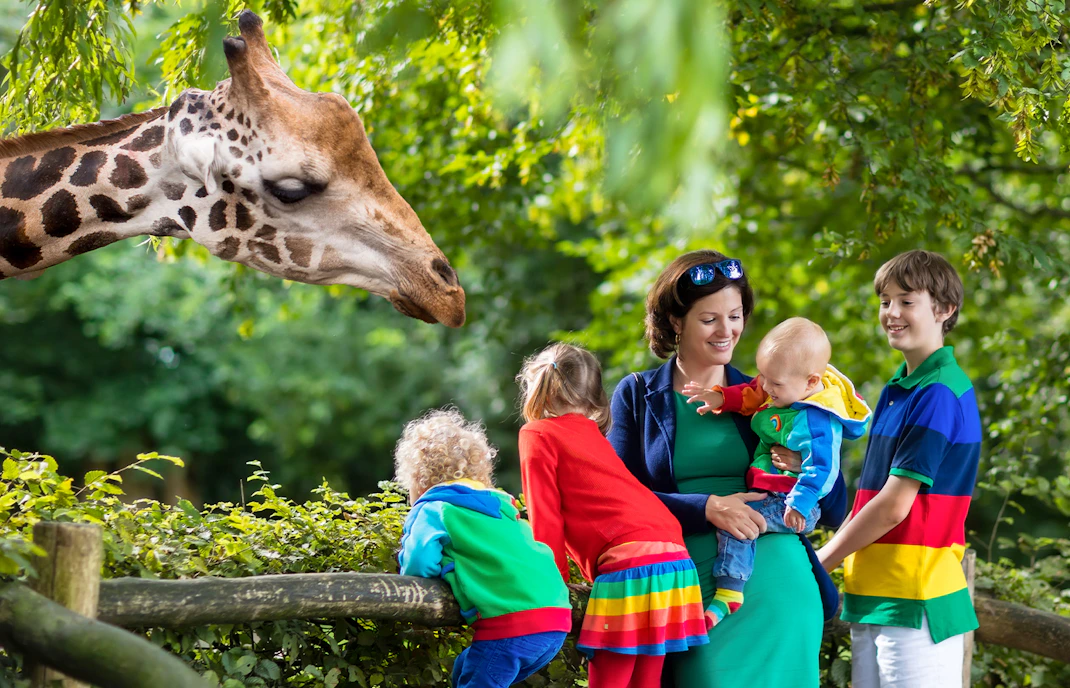
San Diego Zoo works especially well for children because it mixes big-name animals with hands-on play, transport rides, and shorter habitat wins between longer walking stretches.

  • 🕐 Time: 4–5 hours is realistic with young children, and families usually do best by focusing on koalas, polar bears, Basecamp, and one or two major loop areas.
  • 🏠 Facilities: Wildlife Explorers Basecamp, stroller rentals, restrooms, picnic spots, and frequent seating make the zoo easier with younger kids than many large parks.
  • 💡 Engagement: Use the Guided Bus Tour early because it gives children a fast animal overview before attention starts to drop on the longer walking sections.
  • 🎒 Logistics: Bring a refillable water bottle, sun protection, and a light stroller or carrier setup because the transport helps but the zoo still covers a lot of ground.
  • 📍 After your visit: Balboa Park's open plazas, gardens, and nearby family-friendly museums make it easy to extend the day without needing another long car ride.

Rules and restrictions

Practical tips

  • Booking and arrival: Standard zoo admission is flexible enough that many visitors book within 3–7 days of visiting, but summer, spring break, and October weekends are better booked ahead if you want an easy start.
  • Pacing: Do the Guided Bus Tour first, then use Skyfari, because saving the longer walking for Lost Forest and the central trails makes the day feel much less draining.
  • Crowd management: If you want the calmest version of the zoo, aim for a weekday opening-hour arrival in January, February, September, or November, when paths are quieter and animals are often more active in the cooler weather.
  • What to bring or leave behind: Bring a refillable bottle, hat, sunscreen, and a small day bag; parking is not included, and lighter gear makes tram and shuttle hops much easier.
  • Food and drink: If you care about value, eat a full meal before you arrive or bring snacks because the on-site options are convenient but are one of the more common complaints on busy days.
  • With kids: Wildlife Explorers Basecamp works best as a mid-visit reset rather than your first stop, because children usually have more patience for animal viewing before they discover the play zone.
  • If you are choosing between parks: Pick the zoo if you want variety and easier city access, and pick the Safari Park if you want wider landscapes and fewer, larger-format habitats.

What else is worth visiting nearby

Eat, shop and stay near San Diego Zoo

  • On-site: Albert's Restaurant and the zoo's quicker grab-and-go counters are convenient for a mid-visit break, but most visitors treat them as a practical stop rather than the best-value meal in San Diego.
  • Panama 66 (about 10 min drive, Balboa Park): Casual California fare and good coffee, with an easy museum-side setting that works well before or after the zoo.
  • The Prado at Balboa Park (about 10 min drive, Balboa Park): Sit-down California dining in one of the park's landmark buildings, and a better choice if you want a slower post-zoo meal.
  • Little Italy (about 10–15 min drive): Best if you want more choice than the park offers, especially for dinner after a full day at the zoo.
  • 💡 Pro tip: Eat early or late if you are staying inside the zoo, because lunch-hour lines are one of the easiest ways to lose momentum in the middle of the day.
  • San Diego Zoo gift shops: Plush animals, books, apparel, and conservation-themed souvenirs, with the main shop near the entrance being the easiest final stop.
  • Balboa Park museum shops: Better if you want something more local or design-focused than standard zoo merchandise, especially if you are already walking through the park afterward.

Staying near Balboa Park works well if the zoo is one of your priority stops and you want a quieter base than the waterfront nightlife districts. The trade-off is that it is less of a classic hotel hub than downtown, so it suits travelers who value easier morning access over maximum restaurant and nightlife density.

  • Price point: The area usually skews mid-range to upscale, with more variety and better hotel concentration once you move back toward downtown.
  • Best for: Short San Diego trips where you want quick zoo access, easy rides to Balboa Park, and less cross-city planning.
  • Consider instead: Downtown San Diego or Little Italy make better all-around bases if you want more dining, nightlife, and waterfront access alongside your zoo day.

Frequently asked questions about visiting San Diego Zoo

Most visitors need 4–5 hours, and a fuller visit usually takes 6 hours or more. If you want to add the Guided Bus Tour, Skyfari, Basecamp, and longer stops in Lost Forest or Africa Rocks, plan for most of the day rather than trying to squeeze it into a short morning.

More reads