Inside Elephant Odyssey at San Diego Zoo | Animals, habitats, and planning tips

Step inside, and this zone feels less like a single habitat and more like a short detour through Southern California’s wildlife past and present.

  • What you’ll see: African elephants, plus nearby lion, jaguar, and camel habitats woven into one broad, open-air loop.
  • What makes it different: Ice Age animal sculptures and fossil storytelling give the area a museum-like layer you won’t get in most zoo zones.
  • Pro tip: Visit in the morning for cooler weather and steadier animal activity, then jump to Top highlights or How to explore to plan your stop.

What to expect inside Elephant Odyssey at San Diego Zoo?

From the outside, this part of the zoo can look like a wide, quiet large-animal zone. Once you walk in, it reveals itself as something more layered: a habitat for living animals, a design statement about Southern California’s prehistoric past, and a slower-paced break from denser zoo pathways.

A Southern California time capsule

This area doesn’t just present animals; it frames them in a story about landscapes that changed over thousands of years. Life-size prehistoric references and interpretive elements add context, so the visit feels more immersive than a standard ‘see the elephants and move on’ stop.

Big-animal views with breathing room

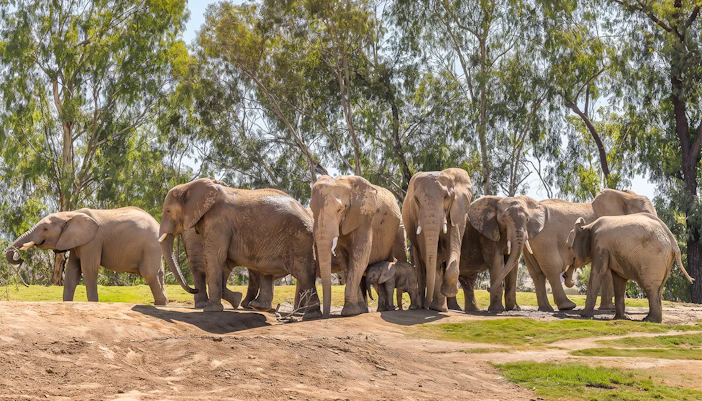
The layout favors broad sightlines, open habitat edges, and longer pauses. That matters with large mammals, because the payoff here isn’t only proximity — it’s watching how animals move through space. The African elephants are the emotional center, especially when they drift between shade, sand, and water.

More than one headline species

Even if elephants are the draw, this section gives you variety without forcing a long detour. You’ll move between predator habitats, desert-adapted species, and interpretive displays that keep the experience from feeling one-note. The result is a compact zone with more range than first-timers expect.

A calmer tempo inside a busy zoo day

Compared with some of the zoo’s busiest family zones, this one invites a steadier pace. There’s room to stop, observe, and read without feeling rushed. That makes it a good anchor point if you want one section of your day to feel less crowded and more reflective.

If time is short, prioritize the elephant viewing areas first, then the interpretive story elements before moving on. Morning visits usually bring cooler conditions and better energy levels from both animals and guests. If you don’t want to zigzag across the zoo, use the official zoo map and connect this stop to the west-side loop in one pass.

Map and orientation

Use the official San Diego Zoo map to spot this zone on the zoo’s west-side loop. It works well as a deliberate mid-morning stop or as part of a larger sweep through the zoo’s big-animal habitats, rather than a last-minute add-on at the end of the day.

If you’re planning your route, think of this area as a slower, more open section of the zoo. It’s a good place to pause after denser foot-traffic zones, especially if you want larger sightlines, educational panels, and time to linger without constantly weaving through crowds.

Quick comparison with other major zoo zones

| Zone | Focus | Main species | Walking required |

|---|---|---|---|

| Elephant Odyssey | Large mammals and Southern California wildlife storytelling | African elephants, jaguars, lions, camels | Moderate |

| Africa Rocks | Multi-habitat African ecosystems | Baboons, lemurs, penguins, geladas | Moderate–high |

| Wildlife Explorers Basecamp | Hands-on family exploration and smaller animals | Meerkats, reptiles, amphibians, crocodilians | Moderate, with frequent stops |

A simple planning rule: choose Elephant Odyssey if you want space, large-animal viewing, and stronger interpretive storytelling; choose Basecamp if your priority is active family play; choose Africa Rocks if you want variety and higher exhibit density.

Top highlights inside Elephant Odyssey at San Diego Zoo

Elephant habitat overlook at Elephant Odyssey

Elephant habitat overlook

Wide views of the African elephant yard, shade structures, and open terrain. Why it matters: you see scale and movement, not just a close-up. Pro tip: wait 5–10 minutes before moving on.

Watering hole inside Elephant Odyssey
Prehistoric sculptures at Elephant Odyssey
Jaguar habitat in Elephant Odyssey
Lion viewing area at Elephant Odyssey

Inside Elephant Odyssey at San Diego Zoo

This compact west-side zone rewards a slow loop: you can cover it fairly quickly, but it’s more satisfying if you treat it as a sequence of viewpoints rather than one single elephant stop.

Arrival and first overlook

Your first sightline usually sets the tone: broad habitat edges, open space, and longer viewing distances than many zoo exhibits. This is where the area starts to feel different from tighter, denser zones. Pause here first to orient yourself before committing to one animal habitat.

Elephant habitat core

The elephant yard is the anchor experience, with room for the herd to move between sand, shade, and water. Instead of chasing the closest angle, stay at one overlook and watch behavior unfold. The best moments here are usually gradual, not instant.

Watering hole edge

This is one of the strongest visual points in the zone because it combines reflection, movement, and open habitat composition. It’s also a good place for families to stop without feeling rushed. If animals seem inactive, give it a few minutes before moving on.

Predator habitats

The lion and jaguar areas change the rhythm of the route. After the broad elephant views, these stops pull your attention toward quieter scanning and shorter, more focused observation. They’re useful palate cleansers in the middle of a zoo day that can otherwise feel visually overwhelming.

Camel and desert-adapted species area

This stretch often gets less attention, which makes it a smart stop if you want a calmer viewing pocket. It also expands the zone’s story beyond one flagship species. If you’re visiting with children, the change in scale and species helps keep the loop engaging.

Pleistocene story points

The educational layer is what gives this area its identity. Sculptural and fossil-inspired elements connect today’s animals with prehistoric Southern California, turning the walk into more than habitat-hopping. This is the place to slow down, read, and understand what the designers were trying to say.

Shaded pause before moving on

Before you leave, take a short reset instead of rushing straight to the next major zone. This works especially well if you’re stitching the area into a half-day route. It helps you avoid zoo fatigue and decide whether to continue on foot or use in-park transportation.

How to explore Elephant Odyssey at San Diego Zoo

Entry process
Book San Diego Zoo Tickets online as your default. Elephant Odyssey is included with standard zoo admission, so there’s no separate ticket for this zone. Current ticket details note that your voucher lets you skip the ticketing window and go straight to the entrance, though bus and Skyfari lines are separate.

Best times
Aim for morning if this zone is a priority. Cooler weather generally means a more comfortable walk, and large mammals are often easier to watch before the warmest part of the day. Midday is still doable, but light gets harsher and the approach can feel more tiring.

Duration
Plan 30–45 minutes for a relaxed first visit. A quick stop can take 20 minutes if you mainly want the elephants. If you like reading interpretive displays, waiting for animal movement, or taking photos, give it closer to 45–60 minutes.

Your route

  • Nearest approach point → use the west-side loop so you don’t double back later
  • First overlook → get your bearings before chasing the nearest angle
  • Elephant habitat → spend your longest stop here
  • Watering hole edge → best for movement and photos
  • Jaguar habitat → slower, quieter contrast
  • Lion viewing area → quick follow-up stop
  • Camel stretch → lower-crowd reset before you move on
  • Exit toward your next zone → continue on foot or use zoo transport to save energy

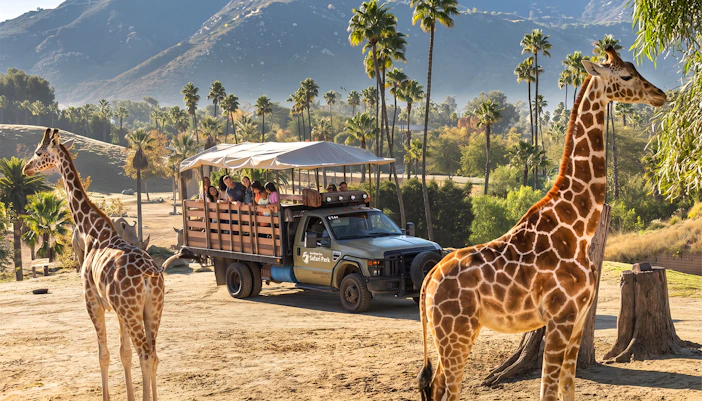
A guided orientation from the included bus tour can help you understand where this zone fits before you walk it.

Rules and accessibility
This area is paved and generally stroller- and wheelchair-friendly, but parts of the zoo around it can feel hilly. If you’re trying to reduce walking, use the zoo’s accessible routes on the map and lean on the included transport options instead of crossing the park entirely on foot.

Tips

  • Stay at one elephant viewpoint longer than you think; behavior often changes after a few quiet minutes.
  • Use morning light for cleaner elephant photos and less glare.
  • Build this zone into a west-side loop rather than crossing the zoo just for one stop.
  • If you’re visiting with kids, alternate big-animal viewing with short reading breaks so the educational elements don’t feel like a slowdown.
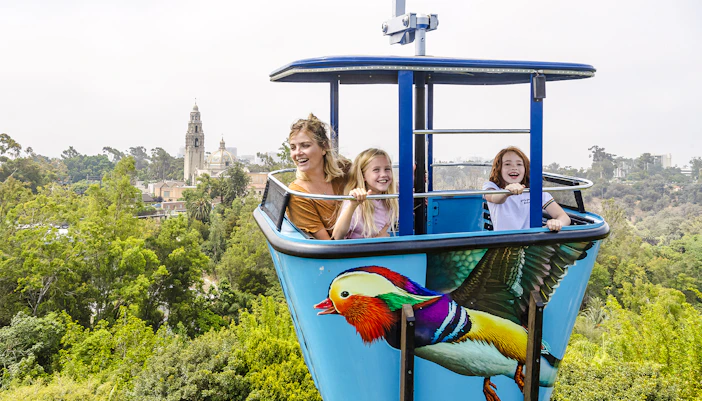
  • If energy is fading, use the Guided Bus Tour or Skyfari to connect to your next priority zone.

Frequently asked questions about what’s inside Elephant Odyssey at San Diego Zoo

It’s a large-animal zone that pairs living species with a broader story about prehistoric Southern California. That’s what makes it feel different from a standard elephant habitat. You’re not only watching animals in a modern exhibit; you’re also moving through design elements that connect today’s wildlife with the region’s Ice Age past.

If you want the quick version, it’s part habitat, part interpretation space, and part slower-paced viewing loop. For a route-focused breakdown, jump to What to expect and Map and orientation.

More reads

Plan your stop inside Elephant Odyssey

Use timing, route, and accessibility tips to fit this zone smoothly into a half-day or full-day zoo visit.

Go to section

Compare Elephant Odyssey with other zoo zones

See how this area stacks up against Africa Rocks and Wildlife Explorers Basecamp before you choose your priorities.

Go to section

See the top highlights before you go

Get a quick, visual-first shortlist of the habitats and viewpoints worth prioritizing once you arrive.

Go to section

Find answers to common visitor questions

Check timing, accessibility, family fit, photo advice, and what’s actually included before your zoo day starts.

Go to section

Book your San Diego Zoo admission

Elephant Odyssey is included with zoo entry, along with the Guided Bus Tour, Skyfari aerial tram, and all exhibits.

Go to section