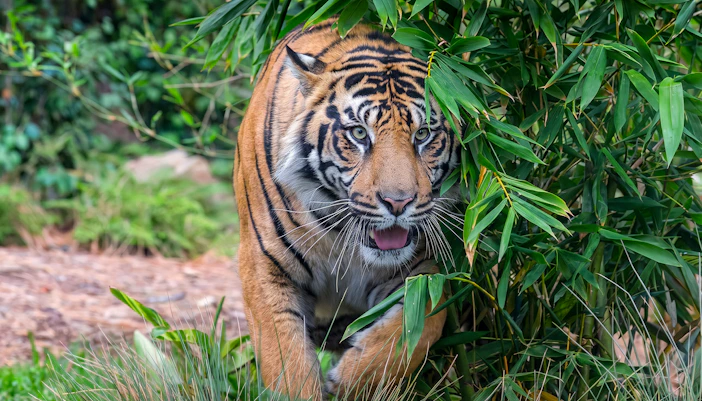
Get lost in a lush tropical landscape home to gorillas, monkeys, hippos, and tigers. Follow trails including Gorilla Tropics, Monkey Trails, Hippo Trail, and Tiger Trail, each offering a different glimpse into forest wildlife.
San Diego Zoo animals and species that steal the spotlight
The San Diego Zoo has more than 12,000 animals coming from over 680 species and subspecies. It is home to a number of endangered animals and has a robust conservation and protection program. If you want to see some rare animals up close, such as bonobos, cheetahs, and babirusas, the San Diego Zoo has you covered. Take a look at some popular San Diego Zoo animals so you can keep an eye out for them when you visit.
Meet some of the stars of San Diego Zoo
1/10
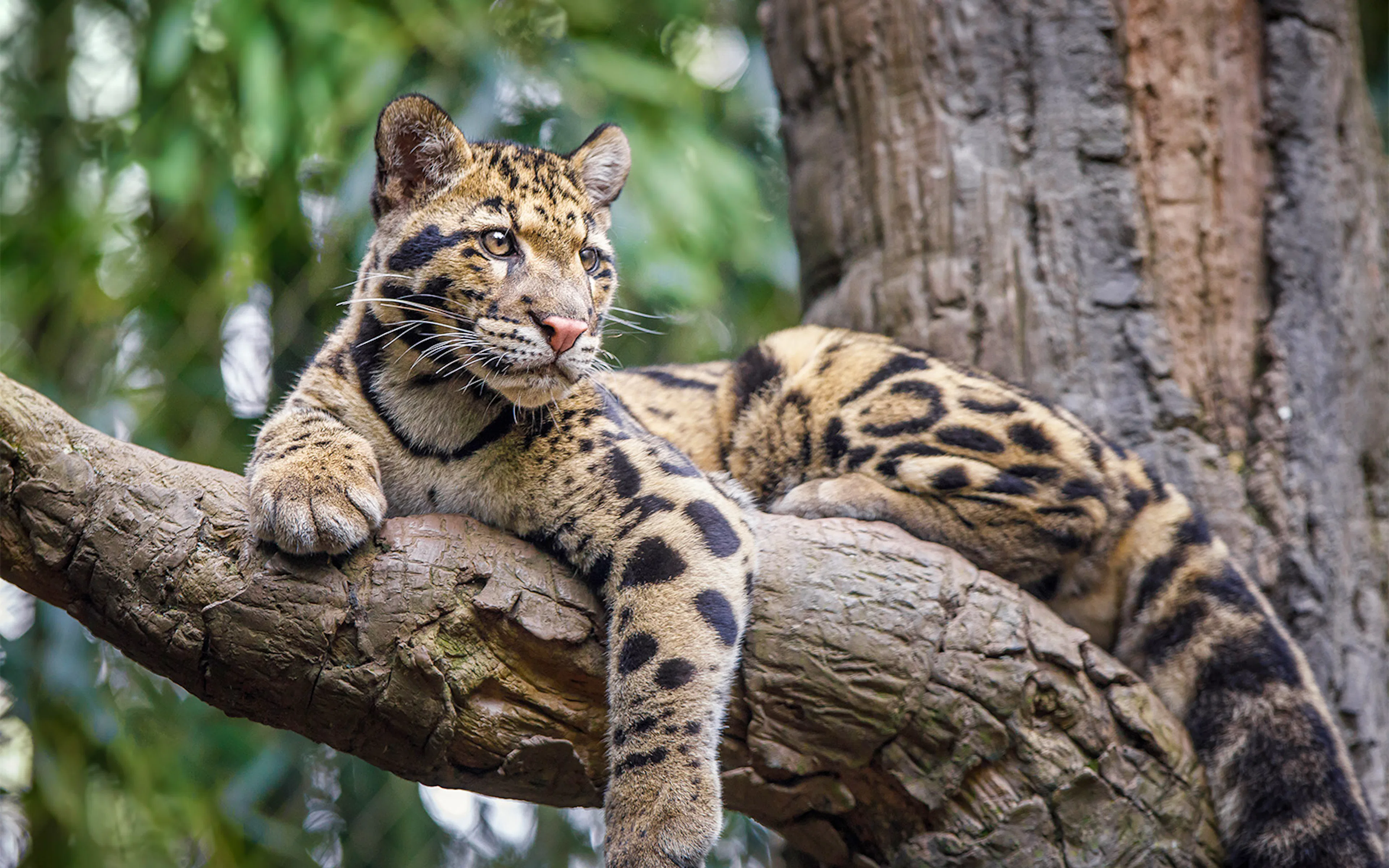
Clouded leopard
Clouded leopards are elusive rainforest cats named for the large, cloud-shaped markings on their coats. Their exceptionally long tails help them balance in trees, while their flexible ankles allow them to climb down trunks headfirst. One of their most unusual features is their long canine teeth, which are proportionally as large as a tiger’s despite the clouded leopard being much smaller.
- Habitat: Lost Forest
- Peak activity: Morning and late afternoon
African penguin
African penguins are built for life in the coastal waters of southern Africa rather than icy environments. Watch them switch between their two worlds: they may waddle along the shore or plunge into the water, where they can swim at speeds of up to 15 mph and stay underwater for more than two minutes. Their black-and-white coloring also provides camouflage from predators above and below the water.
- Habitat: Cape Fynbos, Africa Rocks
- Peak activity: Morning and around feeding times
Elephants
Elephants are among the largest land mammals, but their size is only part of what makes them interesting to watch. They use their trunks for feeding, drinking, smelling, touching, and communicating, while their large ears help regulate body temperature. Watch these social animals interact with one another, forage, and use their trunks to investigate their surroundings.
- Habitat: Elephant Odyssey
- Peak activity: Morning
Giant pandas
Giant pandas may look slow and relaxed, but they spend much of their day eating. They can consume up to 50 pounds of bamboo a day, using their strong jaws and specialized wrist bones to grip bamboo while feeding.
- Habitat: Panda Ridge
- Peak activity: Morning, particularly around feeding periods
Vervet monkeys
Vervet monkeys are highly social and vocal primates, so their habitat can be lively when the troop is active. They communicate using a combination of calls and body language, with different vocalizations helping members of the group respond to potential threats or one another. Look for them moving through their habitat, climbing and interacting with other members of the troop.
- Habitat: Acacia Woodland, Africa Rocks
- Peak activity: Morning and late afternoon
Koalas
Koalas are marsupials, not bears, and spend much of their lives in eucalyptus trees. Their diet is almost entirely eucalyptus leaves, which provide relatively little energy, so koalas conserve energy by sleeping and resting for much of the day. At the Zoo, elevated walkways around the Queenslander-style care center bring visitors close to koalas perched among eucalyptus trees.
- Habitat: Outback
- Peak activity: Morning
Polar bears
Polar bears are powerful Arctic predators specially adapted to life on sea ice and in frigid waters. Their thick fur and insulating layer of body fat help them withstand extreme cold, while their large paws help them move across ice and propel themselves through water. Seeing them swim and observing their underwater behavior can be particularly fun to watch.
- Habitat: Northern Frontier
- Peak activity: Morning and cooler parts of the day
Galápagos tortoise
Galápagos tortoises are among the longest-lived vertebrates on Earth, and some of the San Diego Zoo's tortoises have been there since 1928. The Zoo estimates that several are now well over 100 years old, making them some of its oldest residents. Their slow pace can be deceptive: these giant tortoises are remarkably resilient animals adapted to the varied environments of the Galápagos Islands.
- Habitat: Lost Forest
- Peak activity: Late morning to early afternoon
Bonobos
Bonobos are great apes found naturally only in the forests of the Democratic Republic of the Congo. They live in complex social groups and are known for their intelligence, communication, and strong social relationships. Watching individuals interact, groom one another, and move through their habitat gives visitors a closer look at the social behavior that makes bonobos so fascinating.
- Habitat: Lost Forest
- Peak activity: Morning and late afternoon
California condor
California condors are North America’s largest flying land birds, with wingspans reaching nearly 10 feet. These powerful scavengers use their keen eyesight to locate carrion from high above and can soar for miles without flapping their wings; their bald heads also help them stay clean while feeding.
- Habitat: Elephant Odyssey
- Peak visibility: Late morning to afternoon
Key habitats and zones of San Diego Zoo

Lost Forest
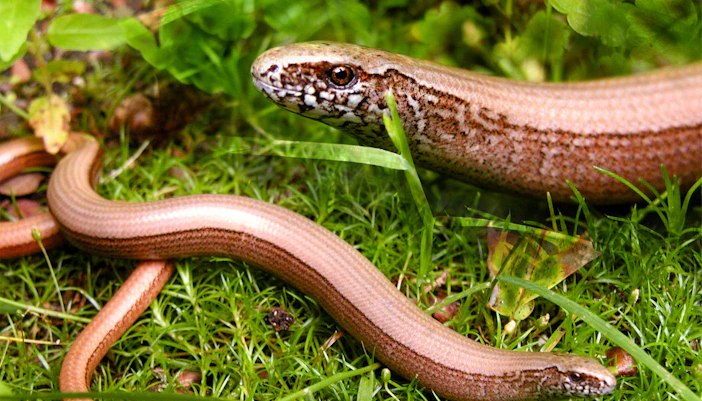
Reptile Walk
Come face-to-face with some of the Zoo’s smaller but seriously fascinating residents. Explore Komodo Kingdom, Reptile Mesa, and the Reptile House, then look for frogs, salamanders, and hummingbirds along the way.
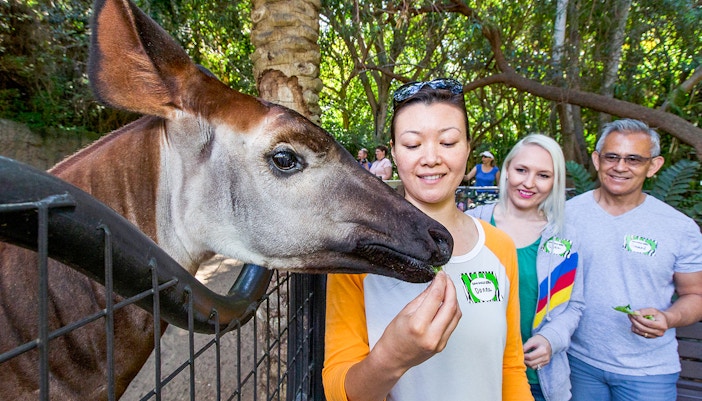
Wildlife Explorers Basecamp
Let curiosity lead the way through interactive habitats built for hands-on discovery. Explore Rainforest, Cool Critters Reptile House, Spineless Marvels Invertebrate House, Wild Woods, and the Tree of Dreams.
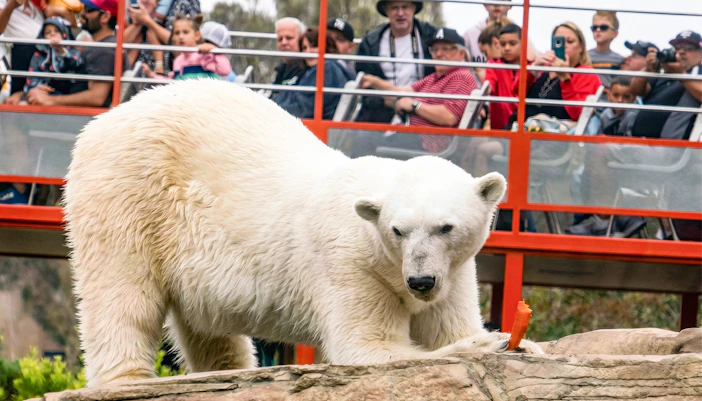
Northern Frontier
Head north without leaving San Diego and discover animals built for life in cold climates. Watch polar bears swim above and below the water at Polar Bear Plunge, then let younger explorers play at the Polar Play Area.
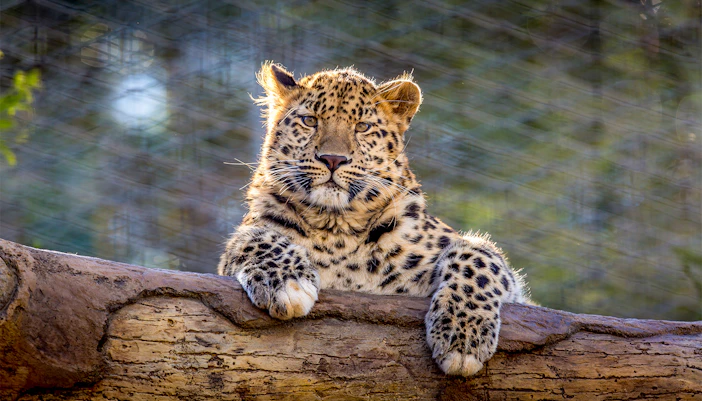
Asian Passage
Wander through Asian-inspired forests and meet some of the continent’s more unusual wildlife. Sun Bear Forest is a highlight, alongside habitats for sloth bears and Asian leopards.
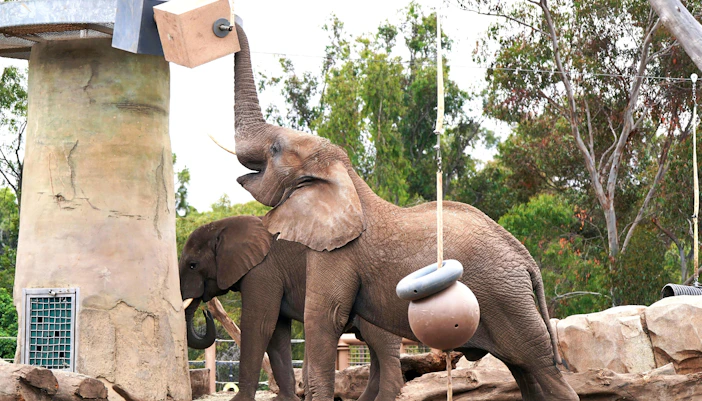
Elephant Odyssey
Meet some of the Zoo’s biggest residents in a habitat built around elephants and other large wildlife. Visit the Elephant Care Center and Elephant Play Yard, then spot California condors and discover how modern animals connect to prehistoric species.
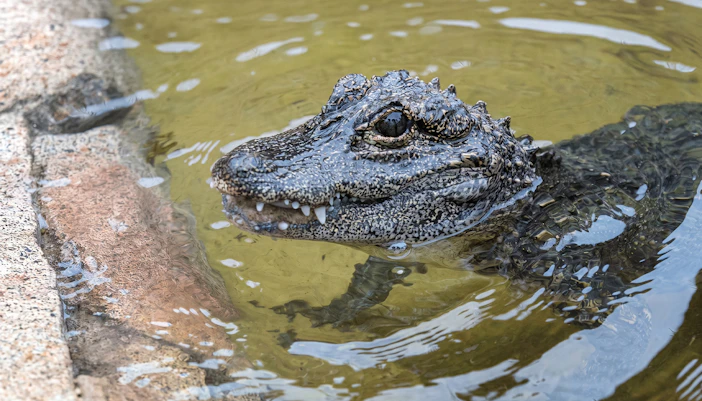
Africa Rocks
Take a mini African safari through six distinct habitats: Cape Fynbos, Madagascar Forest, West African Forest, Acacia Woodland, Ethiopian Highlands, and Kopje. Look out for African penguins, lemurs, fossa, crocodiles, leopards, geladas, baboons, and meerkats.
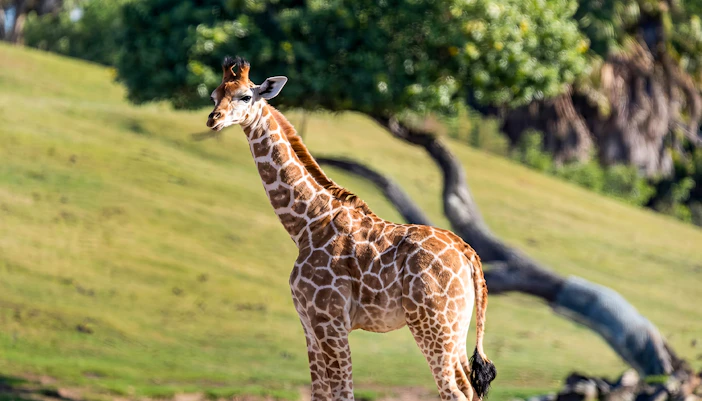
Urban Jungle
Step into a wide, open habitat where African herbivores have room to roam. Masai giraffes and Soemmerring’s gazelles are the stars here, making this a great spot to slow down and watch herd behavior.
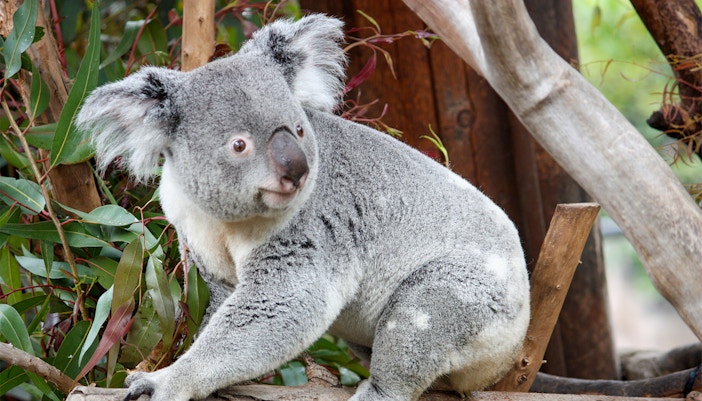
Outback
Head Down Under to discover Australian wildlife among eucalyptus and scrubland habitats. Koalas steal the show along the Koalafornia Boardwalk, where an elevated path gives you a closer look at these famously sleepy marsupials.
Feeding times and animal presentations at San Diego Zoo
Please note: San Diego Zoo does not have a general daily schedule of routine animal feedings for its habitats. Feeding is part of the animals’ regular care, but public-facing schedules focus on wildlife presentations and encounters, rather than guaranteeing a particular species will be fed at a particular time.
Animal visibility and activities can change because of animal welfare, weather, health, or other operational considerations.
Animal presentations at San Diego Zoo
| Presentation | Time | Location | What you'll see | Access |
|---|---|---|---|---|
🦍 Africa Rocks Encounter | 12pm daily | Africa Rocks Stage | Meet wildlife ambassadors and hear from wildlife care specialists about African wildlife and conservation. | Included with general admission |
🐍 Rady Ambassador Presentation | 1pm daily | Rady Ambassador Presentation Area | Meet wildlife ambassadors that may crawl, climb, creep, or slither, with insights from the specialists who care for them. | Included with general admission |
🐘 Wildlife Wonders | 2pm daily | Wegeforth Bowl | Wildlife care specialists introduce ambassador animals representing conservation work around the world and explain their adaptations and stories. | Included with general admission |
Unique experiences and must-do activities at the San Diego Zoo
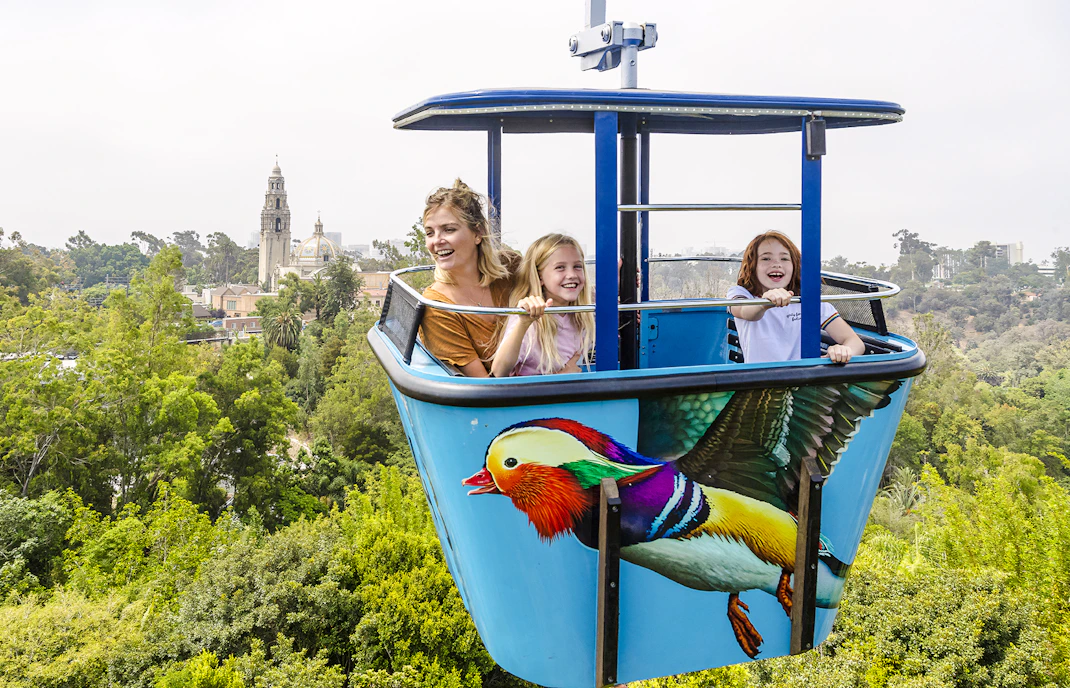
Go on the Skyfari Aerial Tram
Glide above the Zoo on the Skyfari Aerial Tram for an aerial view of the habitats and walking trails below. The tram connects the Zoo’s Africa Rocks area with the Elephant Odyssey side of the park, making it both a scenic ride and a handy way to cross the Zoo.

Get behind the scenes with the Inside Look tour
Go beyond the public viewing areas on the Inside Look tour, which offers a closer look at how the Zoo cares for its animals and manages its habitats. Depending on the tour, you may visit animal-care areas and hear directly from wildlife experts about conservation and daily care.
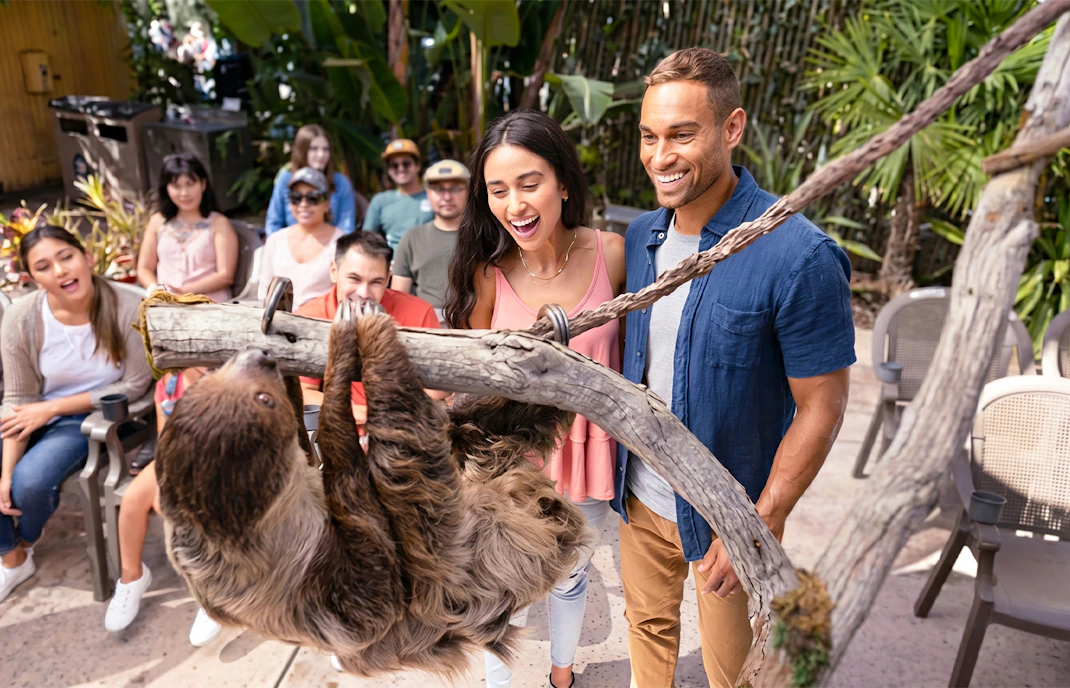
Enjoy animal encounters on the Animals in Action tour
Get closer to wildlife on the Animals in Action tour, where animal-care specialists introduce you to selected species and explain their behavior, diets, training, and conservation. The experience can include up-close viewing and opportunities to see animals respond to their keepers.
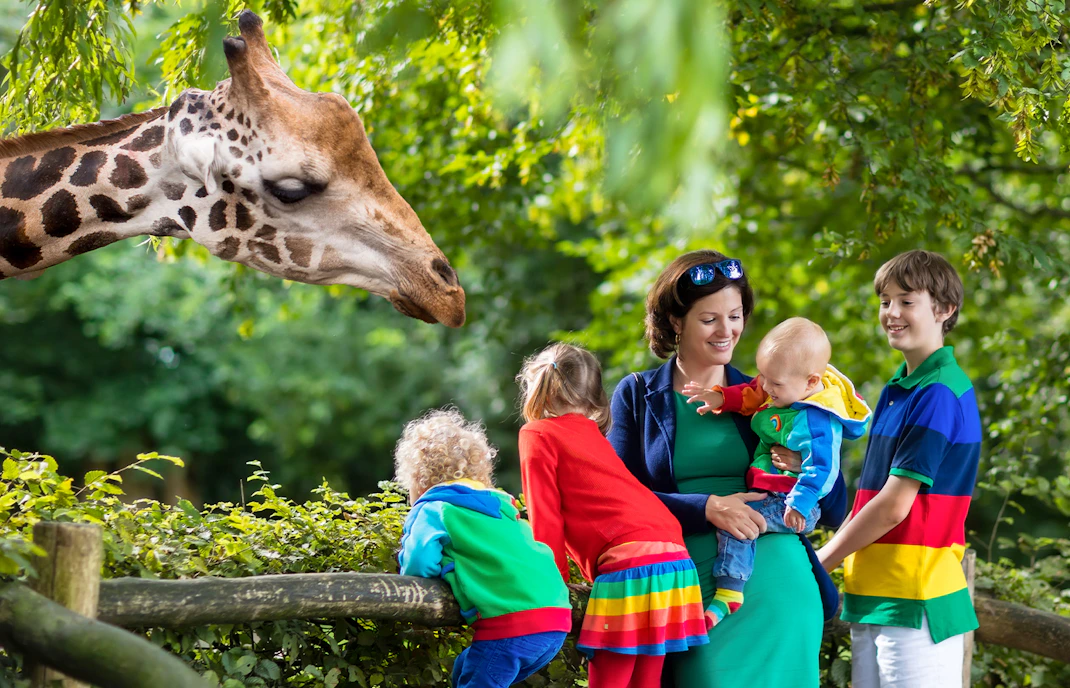
Interactive play at the Wildlife Explorers Basecamp
Let young explorers learn by doing at Wildlife Explorers Basecamp, an interactive area built around discovery and play. Kids can explore themed habitats, climb, crawl, splash, and investigate wildlife-inspired environments while learning about animals and the natural world.
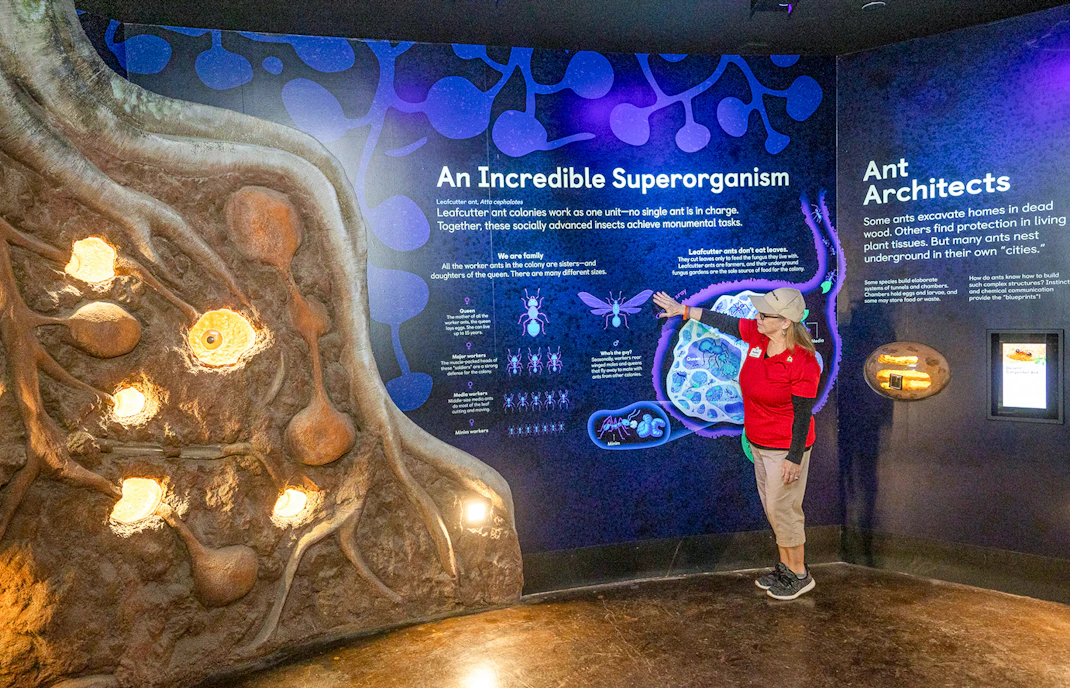
Stay for the animal presentations & feedings
Build time into your visit for scheduled animal presentations and feedings, where keepers share species-specific facts while animals eat, play, or demonstrate natural behaviors. Check the daily schedule when you arrive, as presentation times and participating animals can vary.
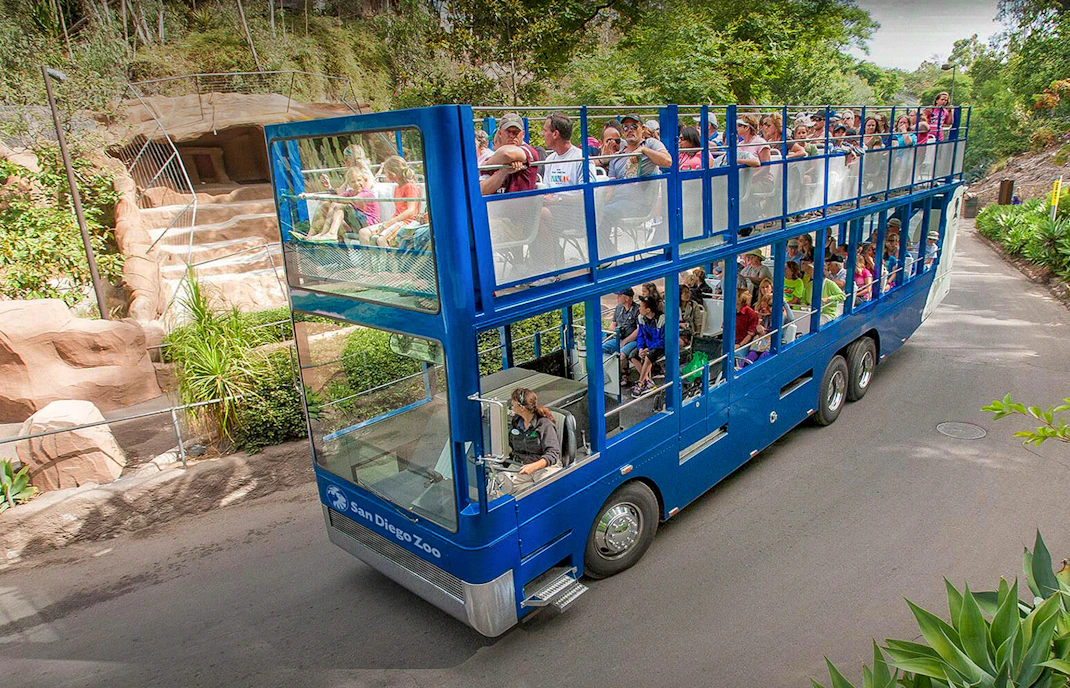
Enjoy a narrated tour on the Kangaroo Bus
Hop aboard the Kangaroo Bus for a narrated ride through the Zoo, with views of animal habitats along the route and commentary from the guide. Buses run regularly throughout the day, making the tour a useful way to see more of the Zoo while giving your feet a break.
Visitor tips
- Start early for active animals: Many species are more active in the cooler morning hours, making the first few hours after opening a good time to look for feeding, foraging, climbing, and social behavior.
- Check the daily schedule first: Plan your route around scheduled wildlife presentations and activities, then fit nearby habitats around them. Presentation times can change, so check the Zoo’s schedule on the day of your visit.
- Give yourself time for the shy species: Clouded leopards, fishing cats, and other elusive animals may stay hidden or rest away from viewing areas. Slow down, scan the habitat carefully, and give yourself a few minutes at each viewing point.
- Look up, not just ahead: Some of the Zoo’s most interesting animals spend time above eye level. Check trees and elevated platforms for koalas, monkeys, birds, and other arboreal species.
- Watch for underwater viewing: Polar bears and other aquatic animals can be easier to observe from underwater viewing areas, where you may catch swimming, diving, or playful behavior that isn't visible from above.
- Visit elephant habitats earlier: Cooler parts of the day can be a good time to watch elephants explore, forage, interact with one another, and use their trunks around the habitat.
- Bring binoculars for distant animals: Larger open habitats can spread animals out, particularly giraffes and other African species. Compact binoculars can help you spot animals without waiting for them to approach the viewing areas.
- Don't skip the smaller species: Reptiles, amphibians, insects, and small mammals can be easy to overlook beside the Zoo's headline animals. Take time in areas such as Reptile Walk and Wildlife Explorers Basecamp for closer encounters with smaller wildlife.
- Watch animal behavior, not just species: Look for grooming, feeding, climbing, playing, calling, and other natural behaviors rather than simply trying to tick animals off your list. These moments can make an ordinary habitat visit much more interesting.
- Don't expect every animal to be visible: Animals can move into shaded, indoor, or off-view areas whenever they choose. If a habitat looks empty, check again later rather than assuming the animal isn't at the Zoo.
- Use the Skyfari strategically: The Skyfari Aerial Tram can save walking time between areas while giving you an elevated view of the Zoo. It can be particularly useful when you're moving between habitats on opposite sides of the park.
- Plan around young visitors' energy: Wildlife Explorers Basecamp is a useful stop when children need a more interactive break from traditional animal viewing, with hands-on spaces inspired by different habitats and wildlife.
- Keep noise low around viewing areas: Quiet observation gives you a better chance of noticing subtle animal behavior and helps avoid disturbing animals or other visitors.
- Check feeding and presentation information on the day: Routine animal feeding is part of daily care and isn't necessarily scheduled as a public event. For predictable wildlife-focused experiences, use the day's published presentation and activity schedule.
Frequently asked questions about animals at San Diego Zoo
Popular highlights include giant pandas, elephants, koalas, polar bears, African penguins, California condors, bonobos, and clouded leopards. Your best picks will depend on which habitats and species you want to explore.
Early morning is generally a good time to explore, when temperatures are cooler and many animals are beginning their daily activities. Late afternoon can also be productive, but individual species follow different routines.
Routine animal feeding is part of the Zoo's daily animal care, but individual feeding times aren't generally published as a visitor schedule. Scheduled wildlife presentations are a more predictable way to see animals and learn about their behavior and care.
Yes. Scheduled wildlife presentations at the Zoo are generally included with general admission, although schedules and participating animals can change. Check the day's program before planning your route around a presentation.
No. Do not feed or touch animals unless a specific Zoo experience explicitly allows an interaction under staff supervision. Keeping a respectful distance helps protect both visitors and animals.
Yes. Elusive or nocturnal species such as clouded leopards may spend long periods resting or hidden from view. Take your time at each habitat and look carefully through vegetation, trees, rocks, and shaded areas.
Children can enjoy interactive wildlife experiences at Wildlife Explorers Basecamp, while scheduled presentations offer another way to learn about animals through demonstrations and keeper-led talks. Direct contact with animals is limited to specific supervised experiences.
Choose your must-see species first, then group nearby habitats into a walking route. Add scheduled presentations to your itinerary and leave some flexibility to revisit habitats where animals weren't visible on your first pass.