Quick Information
RECOMMENDED DURATION
5 hours
VISITORS PER YEAR
4000000
TICKETS
From $78
EXPECTED WAIT TIME - STANDARD
0-30 mins (Peak), 0-30 mins (Off Peak)
Did you know?
Koala colony: The San Diego Zoo has the largest colony of koalas and the most successful koala breeding program outside of Australia.
First cageless zoo: The zoo pioneered the concept of cageless, open-air exhibits to simulate natural environments for its animals.
Frozen zoo: The San Diego Zoo Global’s Frozen Zoo stores genetic materials of over 1,000 species, helping preserve biodiversity.
Is San Diego Zoo worth visiting
- Morning light filters through bamboo, palms, and eucalyptus, and within minutes you’re moving from koalas dozing in the trees to hippos below a rainforest boardwalk. It feels less like a city zoo and more like a long, leafy walk where animals keep appearing around the next bend.
- The zoo was built around a then-radical idea: Replace barred menageries with open-air habitats that feel natural for animals and immersive for visitors. That ambition still shapes the day, from the hillside trails to the tram and guided bus that make a very large park feel manageable.
- Few places let you watch polar bears swim, hear siamangs call, and finish above the treetops on the Skyfari in the same visit. You leave with a real sense of how varied wildlife habitats are, not just a checklist of animals seen.
- Skip it if: Steep walking, big crowds, or a half-day schedule would keep you from settling into a large park.
What's inside the San Diego Zoo
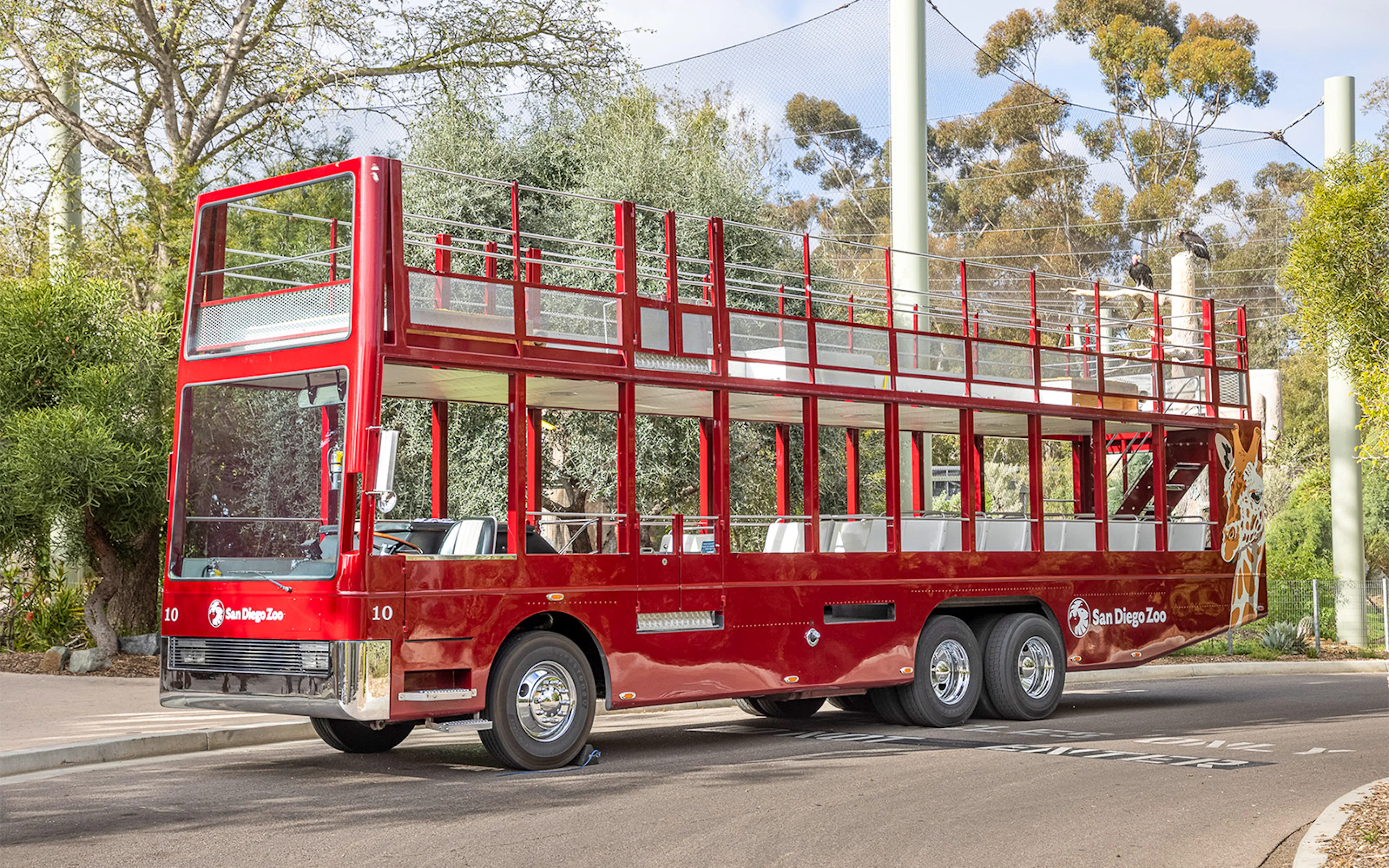
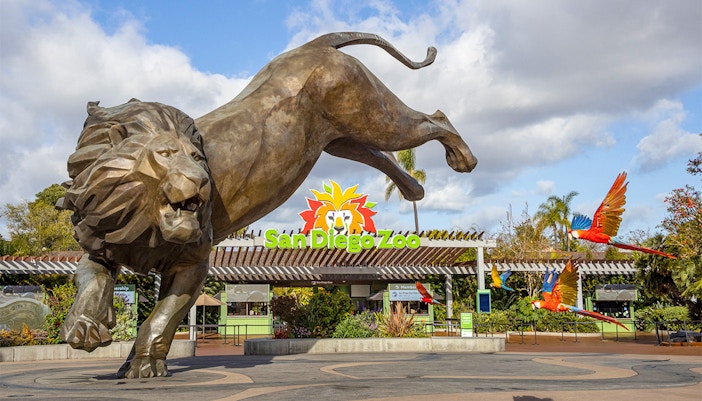
Front entrance and guided bus tour
Start here to get your bearings. The guided bus covers a large chunk of the zoo early on, which helps you decide where to return on foot before the midday lines build.
Australian Outback
This is where many visitors make their first long stop. Koalas are the draw, but the walkthrough setting, eucalyptus plantings, and nearby kangaroos make it one of the zoo’s most distinctive zones.
Wildlife Explorers Basecamp
A newer, highly interactive area built around play, climbing, and smaller species. Families can spend longer here than planned, especially in the marsh and rainforest sections with water features and crawl-through spaces.
Africa Rocks
Six habitats run together here, from penguins and lemurs to baboons and geladas. It’s one of the zoo’s busiest modern zones, and for good reason: the design makes the whole section feel fast-moving and varied.
Lost Forest
Boardwalks, dense planting, and layered exhibits give this area its own rhythm. Look for orangutans, gorillas, and the underwater hippo viewing; this is also one of the zoo’s best sections for shade.
Elephant Odyssey
Wide, open habitats make this part feel different from the denser trails elsewhere. The elephant spaces are the anchor, but the Pleistocene theme and neighboring species give the whole zone more context than a standard exhibit loop.
Polar Bear Plunge
Come for the underwater viewing. When the bears are active, this is one of the most memorable single viewing points in the zoo, and the glass fills quickly when a swim session starts.
How to explore San Diego Zoo
How much time to spend
Budget 4–5 hours for a solid first visit, or most of the day if you want to move slowly, catch talks, and spend time in Basecamp. If you’re short on time, 3 hours is enough for the guided bus, Skyfari, and a few headline habitats.
Best visit order
Start at the front entrance with the guided bus tour. Then walk the nearby Australian Outback and Wildlife Explorers Basecamp while your energy is highest. Continue to Africa Rocks and Lost Forest, then save Elephant Odyssey for later. Use the Skyfari as your return move rather than just a scenic ride.
Must-see highlights
Must-see: Australian Outback, Africa Rocks, Lost Forest, Polar Bear Plunge, and the Skyfari. Optional: Wildlife Explorers Basecamp if you’re traveling without kids, plus Elephant Odyssey, which adds roughly 45–60 minutes because of the extra ground it covers.
Worth adding nearby
Balboa Park sits right outside the gates, so you can easily add a garden or museum visit in another 1–2 hours. If you’d rather stretch the day into broader city sightseeing, the trolley stop near the zoo makes that transition straightforward.
Guided or self-paced
Self-paced works well here because the bus commentary, clear zoning, and in-park transport do a lot of the orienting for you. If you want a higher-value upgrade, pair the zoo with city sightseeing through the San Diego Zoo Tickets + Old Town Trolley Tour . If wildlife is your priority, the San Diego Zoo & Safari Park 2-Visit Pass is the stronger add-on.
Brief history of San Diego Zoo
- 1916: San Diego Zoo opens in Balboa Park after the Panama-California Exposition, under the leadership of founder Dr Harry M. Wegeforth.
- 1920s: The zoo becomes known for pioneering open-air, cageless exhibits, helping move American zoos away from barred menageries.
- 1930s: Expanded habitats and major plantings strengthen its identity as both a zoological park and a botanical garden.
- 1950s–1960s: Breeding, veterinary care, and scientific work grow into a major conservation operation with international reach.
- 2017: Africa Rocks opens, reorganizing several African ecosystems into one of the zoo’s largest immersive exhibit zones.
- 2022: Wildlife Explorers Basecamp debuts, reimagining the children’s zoo as a hands-on conservation and play space.
Architecture & design of San Diego Zoo
San Diego Zoo’s design is less about a single landmark building and more about how the landscape pulls you through it. The hills, canyons, bridges, and layered planting make each zone feel separate, so you move from eucalyptus groves to rocky African cliffs to rainforest boardwalks without abrupt transitions.
The style that matters here is immersive landscape design: open-air habitats, hidden barriers, and sightlines that keep cages out of your line of vision. You notice it most in places like Lost Forest and Africa Rocks, where vegetation, elevation changes, and curved paths slow you down and make animal viewing feel discovered rather than staged. Even the Skyfari is part of the design logic, turning the zoo’s steep terrain into part of the experience instead of a problem to endure.
Who built it
San Diego Zoo was created by the San Diego Zoological Society on former exposition grounds in Balboa Park, with Dr Harry M. Wegeforth as its driving founder. No single architect defines it; the zoo evolved in phases, shaped by a larger ambition to replace barred displays with more natural habitats for both animals and visitors.
Why San Diego Zoo matters to wildlife conservation
San Diego Zoo is more than a large animal collection. It sits at the public face of the San Diego Zoo Wildlife Alliance, one of the most influential zoo-based conservation organizations in the world. That matters because your visit supports work far beyond Balboa Park: species recovery, breeding programs, field research, and long-term habitat protection. The zoo’s conservation story is especially visible in the way it presents rare and endangered animals not as curiosities, but as part of active global efforts to prevent extinction.
San Diego Zoo's conservation programs have been crucial in preventing the extinction of several key species like California condors and Pacific Pocket Mouse. For example, the California condor, once reduced to just 27 birds in the 1980s, has been successfully reintroduced into the wild thanks to the zoo's breeding program. Similarly, the northern white rhinoceros, functionally extinct in the wild, is part of an innovative project called ‘Frozen Zoo’ that uses preserved genetic material to potentially bring the species back.
In addition to genetic conservation, programs like Population Sustainability use tools like GPS tracking and camera traps to study animals such as jaguars, koalas, and burrowing owls. These tools allow researchers to monitor health, movement patterns, and habitat use, helping reintroduce species into the wild. By visiting the San Diego Zoo, you’re supporting these vital initiatives that aim to protect wildlife for future generations.
Frequently asked questions about San Diego Zoo
Yes, it lets you bypass the ticketing window and go straight to the entrance with your voucher. It does not skip lines for the guided bus, Skyfari, or busy exhibit viewing areas once you’re inside.
Yes, the Skyfari Aerial Tram is included with standard admission. It works best as transportation as well as a view ride, especially when you want to save your legs after longer stretches like Lost Forest or Elephant Odyssey.
Choose San Diego Zoo for maximum species variety and a denser, more walkable day. Choose the Safari Park if you care more about open-range habitats, the Africa Tram, and a broader savanna feel than classic zoo trail variety.
Usually, yes, if you want one day at each park or think you’ll return within 1 year. The San Diego Zoo & Safari Park 2-Visit Pass makes the most sense for travelers building a wildlife-focused San Diego itinerary.
The simplest option is the Combo (Save 5%): San Diego Zoo Tickets + Old Town Trolley Tour. The Balboa Park stop sits near the zoo, so you can split your day between animal exhibits and central San Diego landmarks without driving.
Yes, and it’s a smart move on warm days or with kids. It helps keep costs down and saves time, though there are still plenty of cafés and quick-service counters inside if you’d rather buy food on-site.
No. Kids will love it first, but adults shouldn’t skip it. The area includes some of the zoo’s most engaging smaller-animal spaces, plus thoughtful habitat design that makes it feel more substantial than a standard playground zone.