SeaWorld San Diego visitor planning guide
SeaWorld San Diego is a marine-life theme park best known for its orca and dolphin presentations, family rides, and a handful of genuinely good coasters. The day feels bigger and more layered than first-timers expect because you’re juggling ride waits, fixed showtimes, and, if you buy it, a dining plan that works on a 90-minute cycle. The difference between a smooth visit and a frustrating one is sequencing. This guide helps you time arrival, choose the right ticket, and plan a route that actually works.
Quick overview
If you want SeaWorld to feel like good value, plan it as a hybrid day of rides, shows, and habitats, not as a park you can improvise once you’re inside.
- When to visit: Hours vary by date, with longer summer and event-day schedules than quieter winter weekdays. Tuesday-Thursday in late April or early May is noticeably calmer than July Saturdays, and you’re less likely to hit the heavy summer mix of coaster lines, packed show seating, and lunch queues.
- Getting in: General admission is often still bookable close to the day, but premium animal encounters and peak Saturdays are better booked ahead.
- How long to allow: 6-8 hours for most visitors. It pushes to the longer end if you want headline coasters, major shows, children’s rides, and a proper stop in the animal habitats.
- What most people miss: Jewels of the Sea and Turtle Reef are easy to rush past because the crowd flow pulls people between coaster zones and stadiums.
- Is a guide worth it? No, not for most visitors, this park rewards a smart route more than commentary, and peak-date money is usually better spent on Quick Queue or reserved seating.
Jump to what you need
🕒 Where and when to go
🗓️ How much time do you need?
🎟️ Which ticket is right for you?
🗺️ Getting around
🎢 Must-ride attractions
♿ Facilities and accessibility
Where and when to go
How do you get to SeaWorld San Diego?
SeaWorld sits in Mission Bay, about 15 minutes by road from downtown San Diego and San Diego International Airport.
Address: 500 Sea World Dr., San Diego, CA 92109, United States | Find on Maps
- Car: SeaWorld main parking lot → 2–5 minute walk → General parking starts at $37 per vehicle.
- Rideshare/taxi: Main front-gate drop-off → 1–2 minute walk → Best option if you want to avoid parking costs and leave quickly after closing.
- Public transit: Old Town Transit Center → bus or rideshare connection → Build in extra buffer if you’re aiming for the first show of the day.
Which entrance should you use?
SeaWorld uses one main entry plaza, but the time difference comes from queue choice, not from a different gate. Most visitors lose time at guest services or ticket windows when a mobile ticket would have sent them straight to scanning.
- Pre-booked mobile tickets: For guests arriving with admission already on their phone. Expect a 5–15 minute wait on quieter weekdays.
- On-the-day ticket purchase/guest services: For walk-up sales, upgrades, and ticket issues. Expect a 20–40 minute wait on summer weekends and event dates.
When is SeaWorld San Diego open?
- Monday–Sunday: Hours vary by date, season, and event programming.
- Event dates: Summer nights, concerts, holiday programming, and Halloween events can change the day’s operating pattern.
- Last entry: Plan to arrive well before late afternoon, because major shows and ride closures will shape the day more than the gate-closing time.
When is it busiest? July Saturdays, holiday weeks, Pride and summer event dates, and late-December holiday periods bring the heaviest ride waits and the hardest-to-get show seating.
When should you actually go? Tuesday or Wednesday in February, late April, or early May gives you lower waits without leaning too hard into the maintenance-heavy feel that can happen on the very quietest off-season days.
How much time do you need?
| Visit type | Route | Duration | Walking distance | What you get |
|---|---|---|---|---|
Highlights only | Entry → Orca Encounter → Dolphin Adventures or sea lion presentation → penguins / jellyfish → 1 headline ride → exit | 3–4 hours | ~3km | You’ll see the emotional core of the park and one major ride, but you’ll skip most coasters, Rescue Jr., repeat rides, and any premium encounter. |
Balanced visit | Entry → Arctic Rescue / Emperor early → Orca Encounter → lunch → sea lion presentation → penguins, Turtle Reef, and Jewels of the Sea → 1 late ride | 6–7 hours | ~5km | This is the best first visit for most people because it covers the top rides, signature shows, and quieter animal spaces without feeling rushed. |
Full exploration | Entry → full coaster cluster → major shows → Rescue Jr. and family rides → walkthrough habitats → premium encounter or reserved seating → close | 8+ hours | ~7km | This is the closest thing to doing the park properly, but it’s a stamina day and even one ride closure can force you to reroute. |
Which SeaWorld San Diego ticket is best for you
| Ticket type | What's included | Best for | Price range |
|---|---|---|---|
SeaWorld San Diego Any-Day Ticket | Flexible 1-day entry valid within 1 year, access to all rides, marine exhibits, live shows, and select seasonal events (e.g., Veterans Day, Christmas) | Travelers who want maximum flexibility and the option to visit on any date | From $87.55 |
SeaWorld San Diego 2-Day Ticket | 2-day admission with access to all rides, roller coasters, animal exhibits, shows, and seasonal events | Visitors who want to explore the park at a relaxed pace and cover everything without rushing | From $106.48 |
How do you get around SeaWorld San Diego?
SeaWorld is a zone-based park rather than a simple one-loop theme park, and 6–8 hours is a realistic full visit. Crowd flow gets messy when visitors try to alternate constantly between coasters and stadium shows instead of clearing one cluster at a time.
Park layout and suggested route
- Thrill ride zone: Emperor, Electric Eel, and nearby high-thrill rides → budget 60–120 minutes early in the day.
- Wild Arctic side: Arctic Rescue and nearby attractions → budget 30–60 minutes, or longer on busy dates.
- Show venues: Orca Encounter, Dolphin Adventures, and the Sea Lion Amphitheater → budget 30–45 minutes per show including seating.
- Family zone: Rescue Jr. and lower-thrill children’s rides → budget 45–90 minutes if you’re visiting with younger kids.
- Animal habitat zone: Penguins, Turtle Reef, Jewels of the Sea, and calmer walkthrough stops → budget 45–75 minutes as flexible filler between fixed-time attractions.
Suggested route: Start with the coaster cluster if rides matter, or your first stadium show if they don’t; the mistake most visitors make is zigzagging between both and losing time to walking, seating queues, and missed starts.
Maps and navigation tools
- Map: Official park map PDF and park app → covers attractions, dining, restrooms, and show venues → download it before arrival.
- Signage: Good enough for finding zones, but not good enough to build an efficient day once showtimes and meal windows start colliding.
- Audio guide/app: The official app is the useful tool here, not an audio guide → it shows maps, dining, and live wait-time estimates, though wait times aren’t always perfect.
- Large outdoor venue tools: You don’t need offline GPS, but a saved screenshot of the map helps when cellular service feels slow around crowded show exits.
💡 Pro tip: Download the map before you enter, once the day gets busy, you’ll use it less for wayfinding and more for sequencing the next show, ride, and meal without backtracking.
What are the must-ride attractions at SeaWorld San Diego?

Orca Encounter
Ride type: Signature presentation
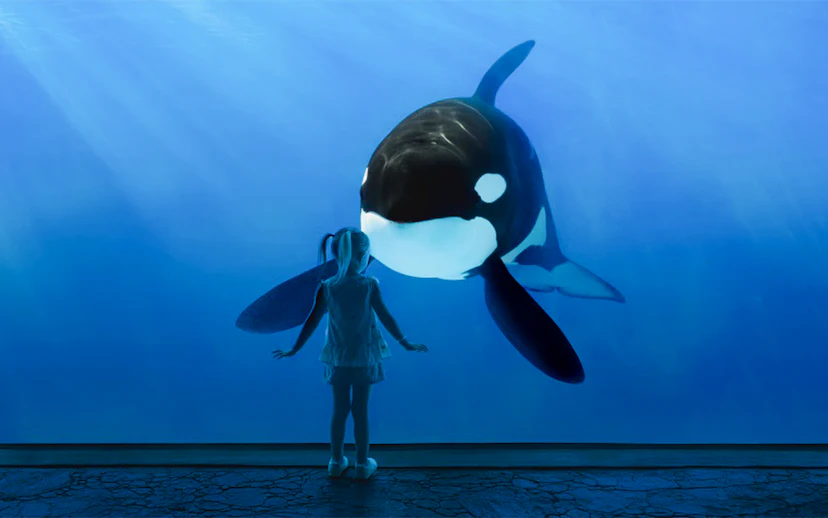
This is still the emotional centerpiece of the park, even for visitors who came mainly for rides. The payoff is biggest if you arrive early enough to choose between splash-zone energy and drier seats farther back. What many people rush past is the buildup before the show starts — those first few minutes shape how much context you get from the presentation.
Where to find it: At the Orca Encounter stadium on the main show circuit.
Arctic Rescue
Ride type: Straddle coaster
This is usually the smartest first major ride of the day because its queue builds quickly once the park settles in. It’s fast enough to satisfy thrill-seekers, but the real value is strategic: if you leave it until late morning, you’ll feel the difference. Most visitors underestimate how much of their route this one ride can dictate on a busy day.
Where to find it: On the Wild Arctic side of the park.
Emperor
Ride type: Floorless dive coaster
Emperor is the park’s purest thrill statement, with a steeper emotional payoff than its footprint suggests. The hang time before the drop is the moment to savor, and it’s one of the few rides here that feels built for adults first. What people often miss is that it works best as part of an early coaster cluster, not as a single midday target.
Where to find it: In the main thrill-ride area near the larger coaster circuit.
Dolphin Adventures
Ride type: Live animal presentation
This is the most broadly crowd-pleasing stadium show in the park and often lands especially well with mixed-age groups. It’s easiergoing than the coaster cluster and can reset the day if everyone’s getting tired or overheated. What visitors often miss is how quickly “medium-splash” seats fill compared with dry seating farther back.
Where to find it: At the Dolphin Adventures amphitheater.
Journey to Atlantis
Ride type: Water ride with coaster elements
On a warm day, this is one of the best value rides in the park because it cools you off and still feels like a real attraction rather than filler. On a cool morning, it’s much easier to skip. The detail people misjudge is not the ride itself, but the wet aftermath — plan it for the warmer afternoon, not before your first show.
Where to find it: In the water-ride section of the park.
Jewels of the Sea
Ride type: Indoor animal exhibit
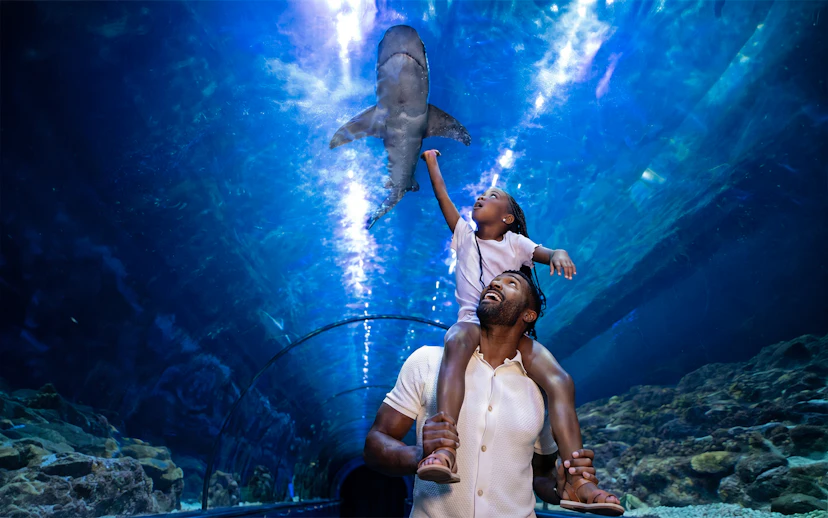
This jellyfish-focused exhibit does something SeaWorld needs badly in the middle of a busy day: it changes the pace. It’s cooler, calmer, and easier to enjoy than a queue-heavy ride block, which is exactly why many visitors overlook it. Slow down long enough to notice the lighting and cylinder displays instead of treating it as a quick walk-through.
Where to find it: In the indoor exhibit zone near the animal habitat cluster.
Facilities and accessibility
- 🎒 Stroller rentals: Strollers are available for rent, and larger strollers usually need to be parked outside some stadiums and exhibits.
- 🚻 Restrooms: Restrooms are easiest to find through the park app, which works better than trying to memorize their locations from the map.
- 🍽️ Dining: Food is widely available across the park, but prices are high enough that the dining bundle makes the biggest difference on a full-day visit.
- 🪑 Seating/rest areas: Stadium seating and indoor exhibit areas double as your main rest breaks, especially between show blocks and afternoon ride queues.
- 🅿️ Parking: Parking is separate from standard admission and starts at $37 per visit, which matters more here than many first-timers expect.
- 🩺 First aid/medical station: SeaWorld is a full-day outdoor park, so go to guest services or on-site staff quickly if you need medical help rather than trying to self-manage across the park.
- ♿ Mobility: Main paths are theme-park paved, and show venues including Orca Encounter and the Sea Lion Amphitheater publish ramp access, wheelchair seating, and companion seating, but some rides still have their own boarding limitations.
- 👁️ Visual impairments: Service animals are accommodated, and the accessibility guide is the best planning tool to check before arrival because this is a show-heavy, moving-around kind of day.
- 🧠 Cognitive and sensory needs: The loudest parts of the park are the stadium shows, launch coasters, and event zones, so weekday mornings outside peak summer are the lowest-stimulation window.
- 👨👩👧 Families and strollers: Strollers work well on the main routes, but some larger strollers must be left outside stadiums and exhibits, so plan for short carry or walk stretches at showtime.
SeaWorld works well for children because the day can be built around animals, low-thrill rides, and breaks, not just high-intensity attractions.
- 🕐 Time: 5–6 hours is realistic with younger children, and Rescue Jr., the sea lion presentation, and penguins give you the best mix without pushing the day too long.
- 🏠 Facilities: Stroller rentals and easy access to shows make the park more manageable than a pure thrill park, especially if you use indoor exhibits as reset time.
- 💡 Engagement: Start with one active ride cluster and then move into a show before attention drops — children usually respond better to alternation than to 2 straight hours of queuing.
- 🎒 Logistics: Bring a change of clothes if splash zones or Journey to Atlantis are on your list, and arrive near opening if children’s rides are a core part of the day.
- 📍 After your visit: Mission Bay’s shoreline parks are close enough for a low-key run-around before dinner if the kids still have energy.
Rules and restrictions
What you need to know before you go
- Entry requirement: A valid mobile or printed ticket gets you in, and children under the age of 14 years must be accompanied by an adult.
- Bag policy: Outside food and drink, large coolers, glass containers, and picnic-style items are restricted, with exceptions for baby food, formula, and medical diets.
- Re-entry policy: Don’t plan your day around leaving for lunch, because SeaWorld works best as a stay-inside visit and re-entry flexibility can vary by day and ticket handling.
Not allowed
- 🚫 Outside food and drink are restricted unless you’re carrying baby food, formula, or items required for a medical diet.
- 🐾 Pets are not allowed, but service animals are accommodated under the park’s accessibility policies.
- 🖐️ Touching animals, climbing barriers, or ignoring posted habitat rules can get you stopped quickly because animal spaces and show areas run on stricter safety rules than a standard ride queue.
Photography
Personal photography is generally fine in open park areas, around most rides, and in many animal habitats, but always follow posted rules in premium encounters and show spaces. The line usually changes by location rather than by a single park-wide rule, so check signs before using flash or larger camera gear. Tripods and selfie sticks are a poor fit in crowded stadiums, queues, and animal areas even when casual phone photography is fine.
Good to know
- Premium animal encounters are not included with general admission, so treat them as separate add-ons rather than something you can decide on once you’re already inside.
- A quiet day can still feel patchy if major rides are down for maintenance, so always keep one backup attraction cluster in mind.
Practical tips
- If rides matter, be through the gate near opening and clear Arctic Rescue, Emperor, and Manta-style priorities first; if shows matter more, build the day around the first major stadium block before seats tighten.
- The best crowd-management play here is not simply ‘go on a quiet day’, Tuesday or Wednesday in late April or early May usually gives you lower waits without the heavier closure risk that can come with the very slowest winter weekdays.
- Bring a small bag, not a full picnic setup: large coolers, outside food, and glass are restricted, and hauling too much around this park adds friction all day.
- If you buy the dining deal, set a 90-minute timer on your phone after your first redemption so you actually use the value you paid for instead of drifting into peak lunch lines anyway.
- Save Jewels of the Sea, Turtle Reef, and penguins for the hottest or most crowded part of the afternoon; they work much better as pressure-release valves than as first-stop attractions.
- Don’t trust the app so completely that you stop making backup plans; it’s useful for showtimes and routing, but wait-time accuracy can still wobble enough to derail an over-optimized day.
What else is worth visiting nearby?
Commonly paired: Belmont Park
Distance: ~6km — 10–15 minutes by car
Why people combine them: It fits the same Mission Beach / Mission Bay side of the city, so it works well if you want to keep the day in one coastal zone instead of crossing San Diego twice.
Commonly paired: Old Town San Diego State Historic Park
Distance: ~6km — 10–15 minutes by car
Why people combine them: It’s an easy before-or-after add-on if you want a meal and a completely different atmosphere without committing to another full-ticket attraction.
Also nearby
Mission Beach
Distance: ~7km - 15 minutes by car
Worth knowing: Best if you want a low-planning beach stop after the park rather than another structured attraction.
USS Midway Museum
Distance: ~13km - 15–20 minutes by car
Worth knowing: This is better as a separate day, but it’s a strong follow-up if your trip leans toward headline San Diego attractions instead of neighborhood wandering.
Eat, shop and stay near SeaWorld San Diego
- On-site: Multiple counter-service spots operate around the park; they’re convenient, but the price point is high enough that the All-Day Dining Deal is the better call for a true full-day visit.
- Pro tip: If you didn’t buy the dining deal, eat early or late instead of at standard lunch peak, because that’s when SeaWorld’s food lines feel most expensive and least efficient.
- 🛍️ Souvenir & merchandise shops: Browse a range of marine-themed souvenirs across the park, from plush animals and toys to apparel, accessories, and keepsakes. These stores are perfect for picking up gifts or mementos inspired by SeaWorld’s animals and attractions.
- 🐬 Themed retail experiences: Some shops are designed around specific exhibits or experiences, offering products related to dolphins, orcas, penguins, and more, making your shopping feel like an extension of the attractions you’ve just explored.
- 💎 Interactive shopping experiences: Select locations offer hands-on retail, such as pearl discovery stations where you can open an oyster and reveal a pearl, adding a fun and memorable twist to your visit.
Staying near SeaWorld makes sense if your priority is a smoother park morning, not if you want San Diego’s most interesting base. Mission Bay is practical, family-friendly, and easy by car, but it has more resort convenience than neighborhood character. For a short trip focused on SeaWorld, it works well. For a longer San Diego stay, many visitors are happier elsewhere.
- Price point: Mission Bay and beach-adjacent areas often skew mid-range to higher-priced than inland hotel zones, especially in warmer months and school breaks.
- Best for: Families, drivers, and visitors who want the easiest possible start to a SeaWorld day without crossing the city in morning traffic.
- Consider instead: Mission Valley works better for lower hotel rates and practical chain-hotel stays, while Pacific Beach or Mission Beach suits travelers who want a stronger beach-trip feel than Mission Bay delivers.
Frequently asked questions about visiting SeaWorld San Diego
Most first visits take 6–8 hours, while a highlights-only run can work in 3–4 hours. That shorter version only works if you’re disciplined about priorities and skip most of the big rides or premium extras. If you want coasters, major shows, and animal habitats in the same day, plan for most of the day.
No, you don’t always need to book general admission far in advance, but it’s still the safer move on peak Saturdays, holiday weeks, and major event dates. SeaWorld’s standard tickets are flexible enough that many visitors book close to the day. Premium animal encounters are the bookings that deserve the earliest commitment.
Yes, Quick Queue is worth it on peak dates, but it’s optional on many quieter midweek days. It makes the biggest difference in July, on Saturdays, and during holiday or event-heavy periods when coaster lines and show seating both tighten. If you’re visiting on a calmer Tuesday or Wednesday, standard admission is usually enough.
Arrive 20–30 minutes before opening if rides matter, or at least 20 minutes before your first must-see show if they don’t. SeaWorld punishes late starts more than some parks because once the first coaster queues and first stadium blocks fill, you spend the rest of the day reacting instead of controlling the route.
Yes, a small backpack is fine, but picnic-style packing is not. Outside food and drink, large coolers, and glass containers are restricted, with exceptions for baby food, formula, and medical diets. A lighter bag also makes this park easier because you’re walking between ride zones, stadiums, and exhibits all day.
Yes, personal photos are usually fine in most park areas, rides, and many habitats. The important catch is that rules can change by show space, animal area, or premium encounter, so posted signs matter more than a blanket assumption. If you plan to use flash or larger gear, check the day’s location-specific restrictions first.
Yes, SeaWorld works well for groups, especially mixed-age groups that won’t all want the same thing at the same time. The easiest way to keep the day smooth is to agree on 2–3 shared anchors, usually 1 show, 1 ride block, and 1 meal window, and let the flexible habitat time absorb the differences.
Yes, it’s one of the easier theme parks in the region for younger children because the day doesn’t depend only on thrill rides. Rescue Jr., sea lion and dolphin presentations, penguins, and calmer animal exhibits give you enough variety to fill 5–6 hours without forcing children through long high-thrill queues all day.
Yes, much of the park is wheelchair accessible, but accessibility still varies by attraction. Main paths are paved, and major show venues publish ramp access, wheelchair seating, and companion seating. Ride boarding rules are more attraction-specific, so it’s worth checking the accessibility guide before arrival rather than assuming every experience works the same way.
Yes, there’s plenty of food inside the park, but it’s expensive enough that many full-day visitors feel the cost quickly. That’s why the dining bundle can make real sense if you’ll be there through lunch and dinner. If you didn’t pre-buy dining, avoid peak lunch timing unless convenience matters more than value.
Yes, several headline rides have minimum height rules, and the biggest thrill rides start around the low-40-inch to mid-50-inch range depending on the attraction. Emperor, Electric Eel, Arctic Rescue, and Journey to Atlantis don’t all use the same cutoff, so check before promising a child a specific ride. Rescue Jr. is the safer bet for younger visitors.
No, not in the usual picnic sense. SeaWorld restricts outside food and drink, large coolers, and glass containers, but makes exceptions for baby food, formula, and medically necessary items. If food prices are your concern, decide before arrival whether the All-Day Dining Deal makes more sense than trying to work around the policy.